
La Paz Bolivia Altitude

MAR, 04 2026 || 10 MIN READ
What It Really Feels Like (And How to Handle It)
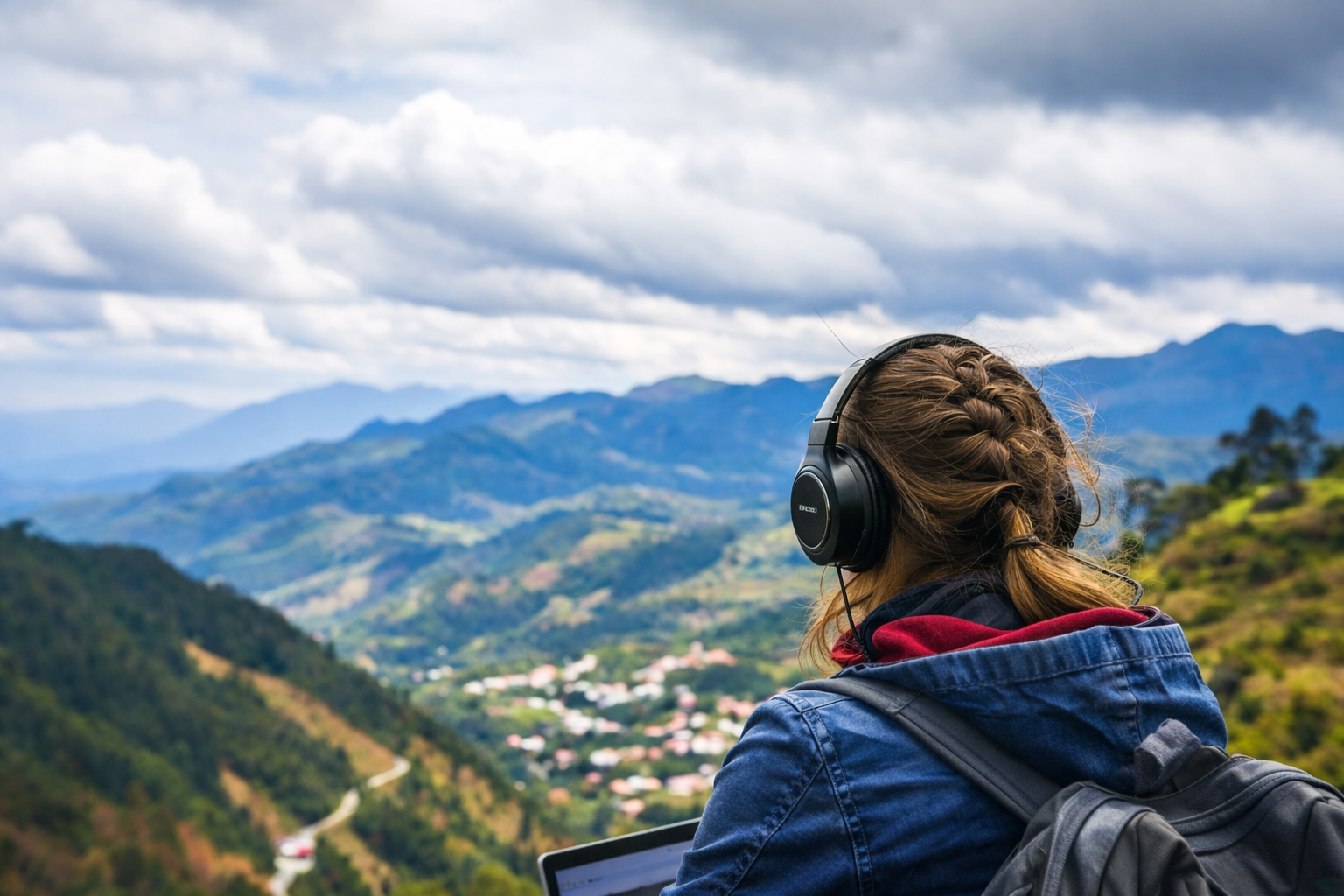
Hi from La Paz, Bolivia.
At 3,650 meters above sea level, La Paz Bolivia altitude is one of the highest of any capital city in the world.
New week, new blog post. And this week I want to talk about maybe the most asked question we get before travelers of all ages arrive here, yes, the altitude and how it will affect you. The honest answer? You never really know how altitude will hit you, or if it will hit you at all. It’s different for everyone. And even for the same person, it can feel different each time. But what I can say, after years of my own experience and many conversations with travelers here in La Paz, is this: how you spend your first days, and how you prepare, makes a big difference.
If I arrive here in La Paz, from sea level, already feeling a bit off, maybe with a small cold or after a bad night of airplane sleep, I know I need more time to adjust. So I take it slower. And after a few days, I don’t even think about the altitude anymore.
Still, everyone reacts differently. You can be an athlete and feel it strongly, or never exercise and feel almost nothing. The key is to listen to your body, slow down, and give yourself time. I once met three mountain climbers who came to La Paz to climb Huayna Potosí. They met up with two girlfriends who had been traveling in South America for weeks. The climbers were experienced and confident. The girlfriends had no climbing background but had already spent time at altitude. A few days later, the girls reached the summit, but the climbers did not. Their bodies simply hadn’t adjusted yet. It’s a reminder: in the Andes, fitness helps, but time at altitude matters more.
And that’s really what this is about. Understanding what altitude can feel like, and knowing how to prepare so you can feel good at 3,650 meters above sea level, so you can focus on enjoying the experience.
La Paz Bolivia altitude city view
How You Arrive Changes the Experience
Arriving in La Paz often happens in a few different ways.
Some travelers come slowly by bus, climbing higher through the Andes. The altitude builds step by step. You don’t notice one exact moment when it changes; your breathing adjusts along the way. Others arrive from Cusco. In that case, the climb is smaller, and your body is often already used to altitude, so you may not feel much difference at all.
Then some arrive directly by plane at El Alto airport, and that change is immediate. The moment you step outside, you feel it. The air is thinner. A deep breath feels slightly different. Not dramatic. Just unfamiliar.
For some, that difference is clear right away. For others, it appears later, walking through busy markets or climbing the steep streets La Paz is known for. You may pause for a second, breathing a little deeper than usual. Feeling the altitude doesn’t mean you can’t enjoy La Paz. It simply means you might experience it at a slightly slower pace, and honestly, that’s not a bad way to begin.
La Paz Altitude Quick Facts:
Elevation: 3,650 mts (11,975ft) | Airport elevation (El Alto): approx. 4,061mts (13,325ft) | One of the highest administrative capitals in the world.
Tips & Tricks to Feel Good at 3,650 m
Here’s the simple approach I always recommend:
1. Take your first 24 hours seriously.
Walk slowly. Avoid big hikes. Don’t plan your toughest activity on day one.
2. Drink more water than you think you need.
Altitude dehydrates you faster, even if you don’t feel it.
3. Eat the first day lightly.
Soups and simple meals are easier on your body while it adjusts.
4. Go easy on alcohol the first night.
It hits harder at altitude and can make symptoms worse.
5. Try coca tea if you’d like.
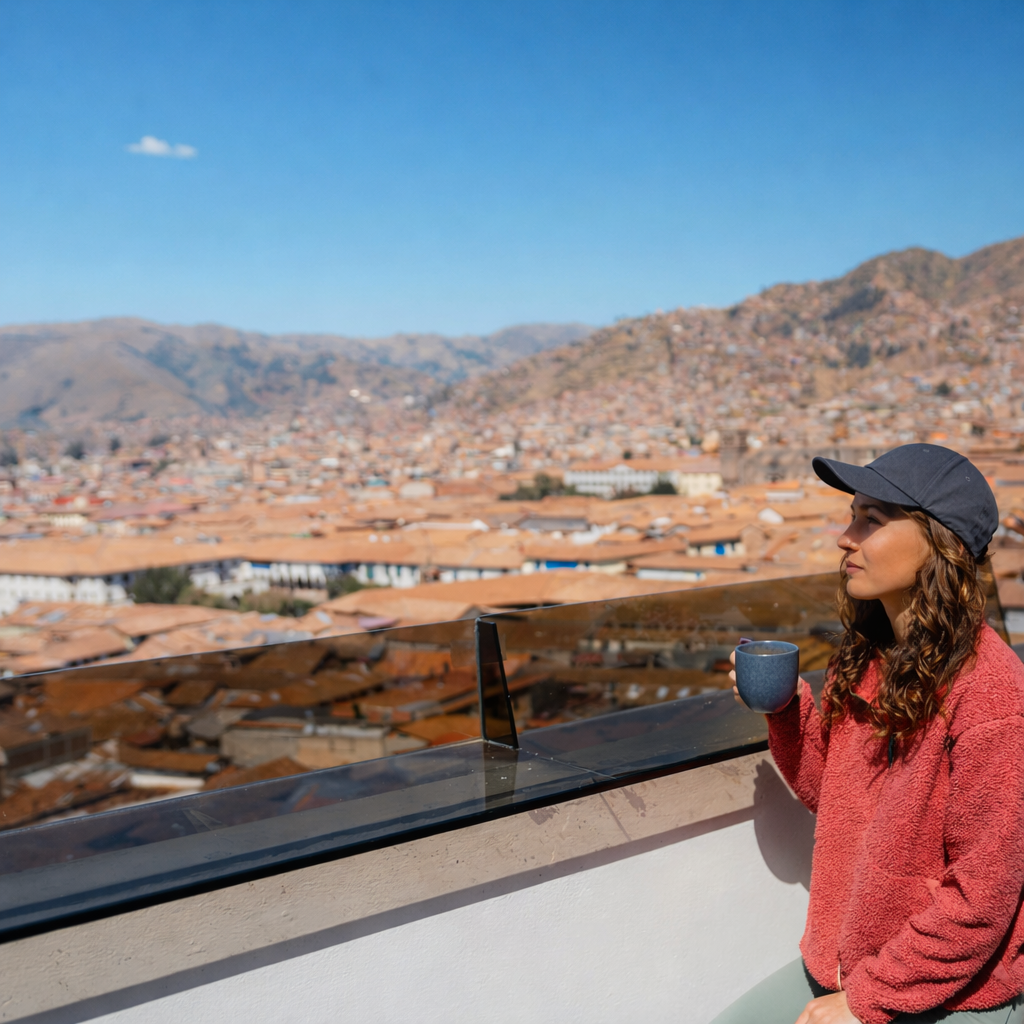
It’s common here, and many travelers find it helpful.
6. Move slowly uphill.
La Paz is steep. Take breaks. Breathe. Continue.
7. Protect your skin and lips.
The sun is strong, and the air is dry — sunscreen and lip balm help more than you expect.
8. Sleep might feel different at first.
You may wake up more often or breathe faster. That usually settles after a couple of nights.
Some travelers choose to buy Sorojchi Pills at pharmacies here in La Paz. Others bring altitude prevention medicine from their home country and start before arriving. And many simply sit down with a warm cup of coca tea and take it slow. There isn’t one single “right” way. There are options, and you choose what feels best for you.

Respect It, Don’t Fear It
The altitude becomes part of your story here in the Andes.
Altitude is something to respect, but not to fear. People of all ages, from all over the world, travel to La Paz every year. And for many, the altitude becomes part of something new. A different rhythm. A small challenge. A reminder to slow down. Instead of worrying about it, see it as part of the experience. Something to embrace. Something to learn from. Something that becomes a small but meaningful part of your adventure here in the Andes.
If you’d like more travel inspiration and practical tips, visit our Inspiration Station Bolivia for ideas to help you plan your time in La Paz and beyond.
And I hope to have you here in La Paz soon.
Elin & del Mundo Team