
Protests in Bolivia: A Traveler’s Guide to Blockades, Safety & What to Expect

APRIL, 22 2026 || 7 MIN READ
Traveling in Bolivia and hearing about protests or blockades?
It can feel confusing at first, especially if you're not used to it. But in most cases, these situations are more about delays than danger. Here’s what you need to know to travel safely and confidently in Bolivia.
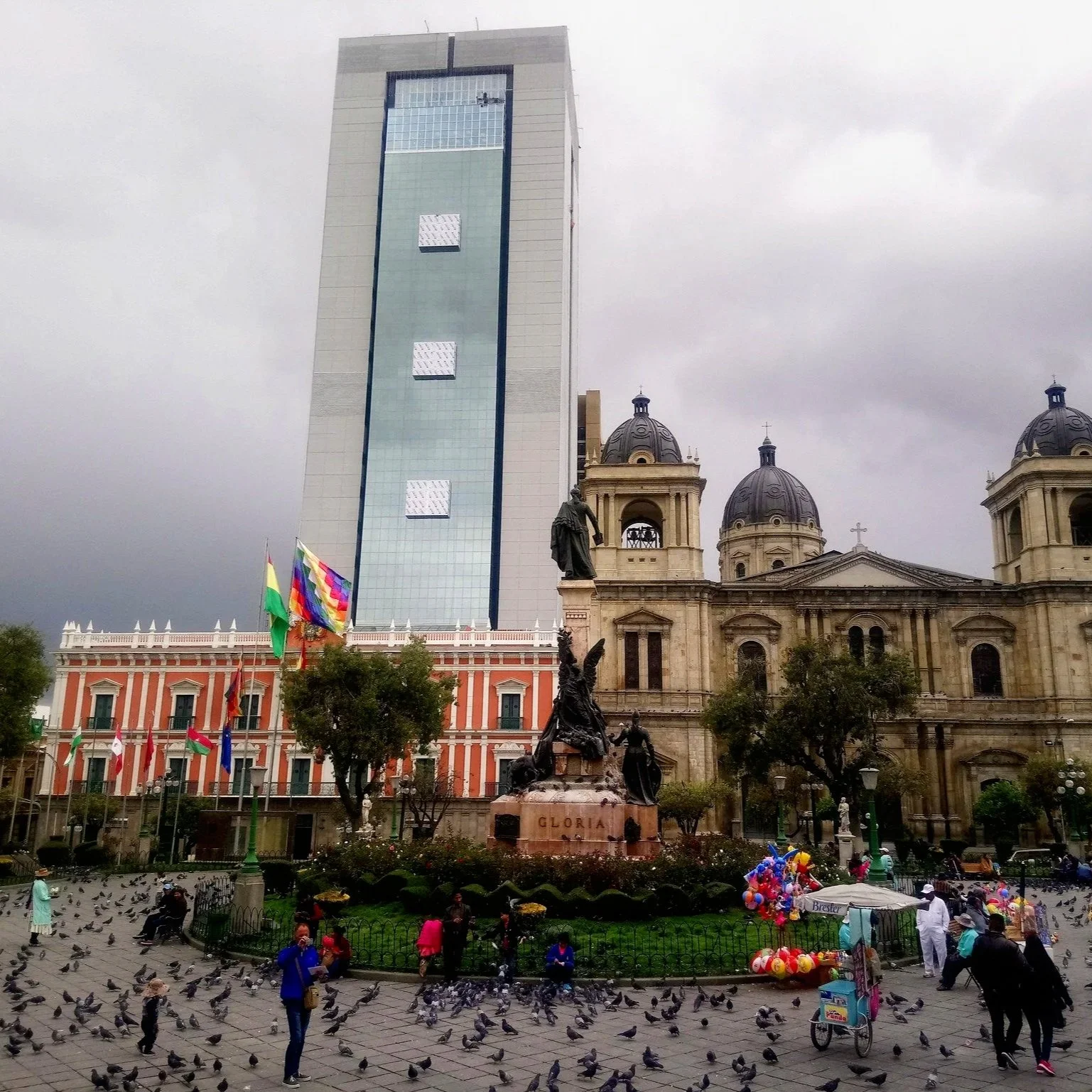
Foto: Bolivia en imágenes
It’s almost lunchtime here in the city, and I’m sitting in my little work spot at Café del Mundo.
To be honest, it sounds a bit tense down the street. A mix of what could be fireworks… and something louder sharp, echoing, and honestly a bit annoying. At first, I didn’t really think much about it, but then I overheard a conversation at the table next to me, two travelers trying to figure out what was going on. So I went over to their table and tried to explain the situation… which, if I’m honest, is not always that easy to explain.
Yes, there’s most likely some kind of protest or blockade happening. It could be a celebration, but on a Wednesday at lunchtime, probably not. Here at Sagarnaga Street, we are very close to Plaza Murillo, the main square where many of the blockades in the city and the country tend to concentrate.
And this morning, even without knowing exactly what’s going on, you can feel that something is happening.
So today, maybe “inspired” is not the right word, but at least those loud bangs gave me the idea to write this blog post about protests and blockades in Bolivia, and how you, as a traveler, can think about them and plan around them.
When Roads Become Voices
In Bolivia, and across the Andean region, in countries like Peru and Ecuador, blockades, or bloqueos, are not just disruptions; they are a long-standing way for people to make themselves heard. Instead of gathering only in public squares, communities often take their message directly to the roads, temporarily stopping movement to create visibility. It might feel unusual if you’re not used to it, but here it’s a powerful form of protest.
The roots go back to strong traditions of collective organization, especially among rural and indigenous communities. When dialogue with authorities feels distant or slow, blocking a road becomes a way to bring attention quickly and effectively. And it works, because when transport stops, the whole country feels it.
A bloqueo can be as simple as people gathering with banners, or as complex as coordinated road closures across regions. Sometimes you’ll see stones, ropes, or even just a group of determined people marking the boundary. There’s often a clear purpose behind it, whether it’s about politics, resources, or local rights.
For travelers, this doesn’t usually mean danger, but it can definitely mean delays or changes of plans. Buses might pause, tours may reschedule, and what looked like a simple journey can suddenly take longer. It’s less about risk and more about adapting to a different pace.
Understanding bloqueos is part of understanding Bolivia itself. They reflect a society where collective action still plays a central role. And while they may interrupt your route, they also offer a glimpse into a culture that speaks loudly when it needs to.
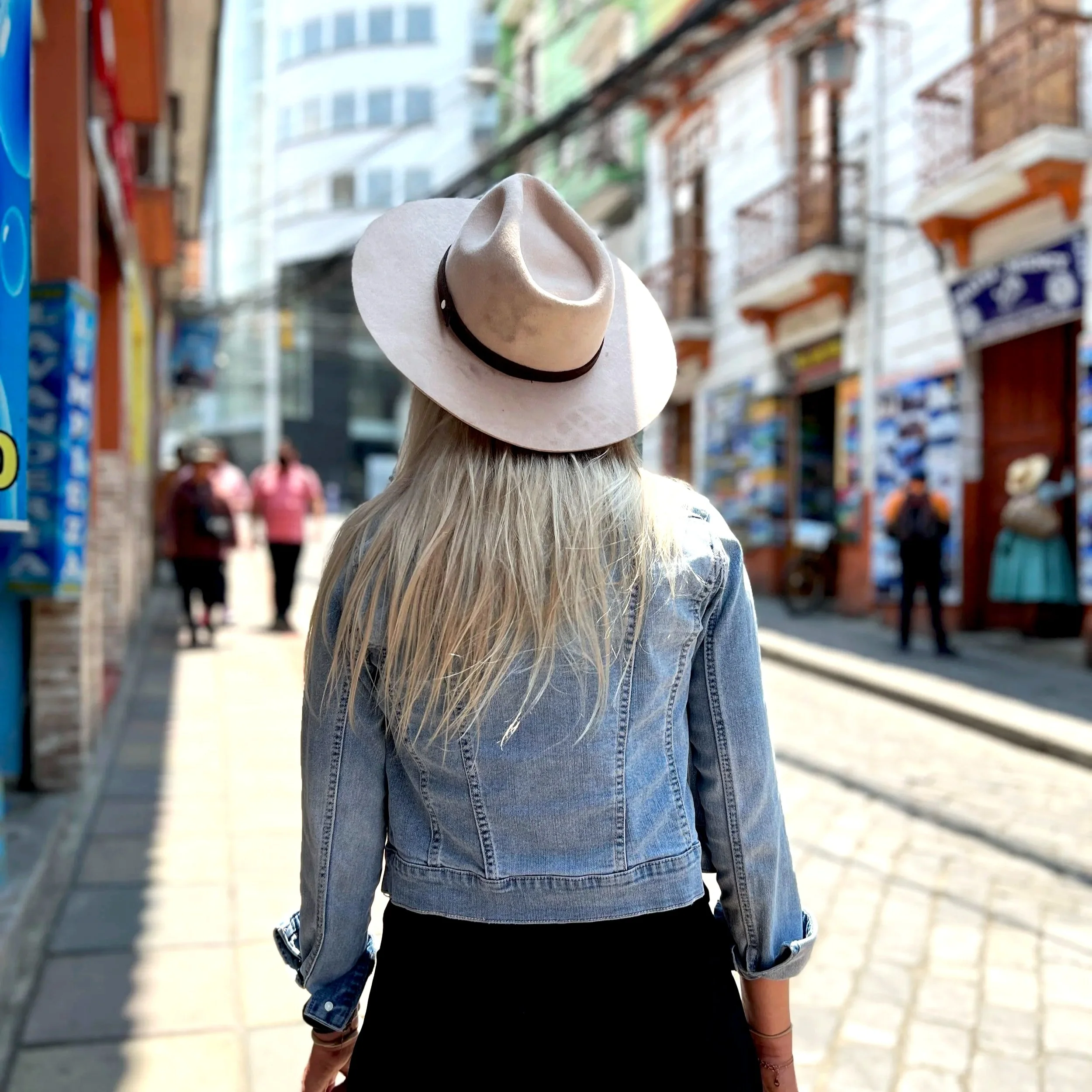
Stay Flexible, Travel Smarter
A little awareness goes a long way when moving around Bolivia. You don’t need to expect problems, but a bit of flexibility makes the whole experience smoother.
Add a little buffer – Give yourself extra time - When planning longer journeys, give yourself an extra day here and there; it takes the pressure off completely.
Don’t overpack your itinerary – Stay flexible - Bolivia is best experienced with space to adjust, not a tight, minute-by-minute schedule.
Check locally before moving – Ask locals - If there’s any sign something might be happening, ask at your hotel or a café; locals often know what’s going on before anyone else.
Stay open to changes – Adapt mindset - Delays aren’t always a bad thing; sometimes they lead you to places or moments you didn’t plan for.
Think in rhythms, not exact times – Travel here follows its own pace, and embracing that makes the whole experience feel lighter.
Stay curious – Learn from the experience - If you come across a protest or bloqueo, take it as a chance to understand Bolivia more deeply, what’s happening, why, and what people hope will change.
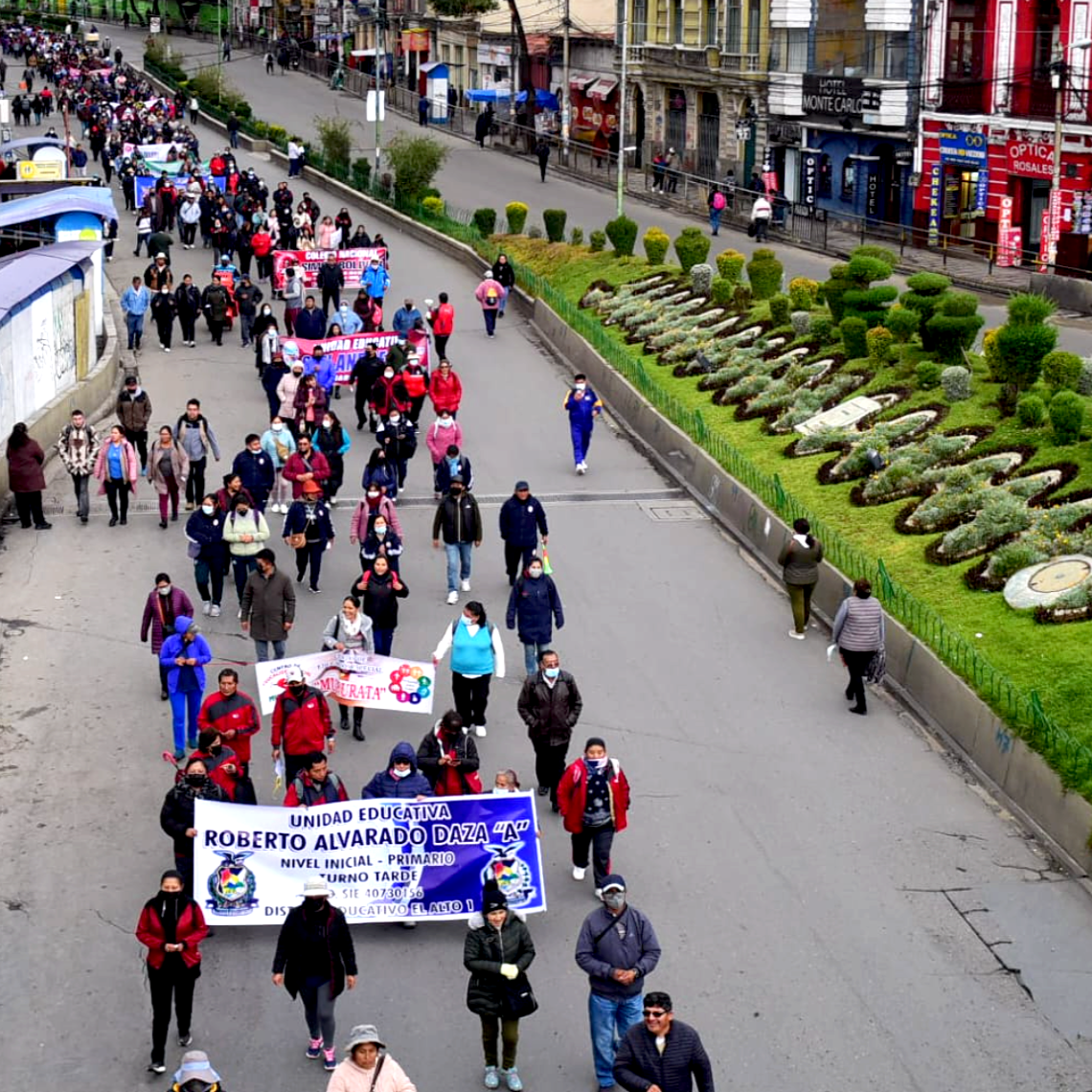
Foto: Rodwy Cazón
When Curiosity Meets the Street
As we finished our conversation in Cafe del Mundo, the travelers at the table lit up a bit, curious and excited, and asked if it was safe to walk down the street and see what was happening. And honestly, most of the time, it’s completely fine.
If you do choose to have a look, I usually recommend keeping a bit of distance and not getting too close to the center of the demonstration. It’s also better to cross the street once the group has passed, rather than walking through it, just to avoid interrupting anything. As mentioned before, it often sounds more dramatic than it actually is.
So while today’s protest passes down the street, my recommendation is simple: sit down, have a coffee, take it in, and maybe reflect a little.
And then… get ready for your next adventure.
If you’re nearby, always feel welcome to stop by and visit us here on Sagarnaga Street. And if you have any questions while planning your trip, feel free to reach out. We’re always happy to help.
You can also subscribe to our newsletter to receive our free guide, perfect to have in hand while planning your Bolivia adventure.
Elin
FAQ - Frequently Asked Questions About Protests in Bolivia
Is it safe to travel during protests in Bolivia?
In most cases, yes. Protests are usually peaceful and focused on specific issues. Travelers are rarely targeted, but it’s best to stay aware and avoid large crowds.
What is a bloqueo in Bolivia?
A bloqueo is a road blockade used as a form of protest. It temporarily stops traffic to bring attention to social or political issues.
Can protests affect flights or buses in Bolivia?
Yes, especially buses. Road blockades can delay or reroute travel. Flights are less affected but can occasionally experience delays.
Should I avoid Bolivia because of protests?
No. Protests are part of daily life in Bolivia and rarely impact travelers significantly. With flexibility and awareness, you can travel normally.
What should I do if I encounter a protest?
Keep a respectful distance, avoid crossing through the center, and follow local guidance. In most cases, simply observing from afar is safe.