
June in Bolivia: Aymara New Year, San Juan Festival & Winter Travel Guide

June 16, 2026 || 7 MIN READ
June is one of my favorite months in Bolivia. The days are sunny, the mornings are very cold, and there’s something special in the air as winter arrives in the Andes.
Why Visit Bolivia in June?
June is one of the best months to visit Bolivia. The dry season begins, skies are clear, mountain views are spectacular, and some of the country's most important cultural celebrations take place, including the Aymara New Year and San Juan Festival. Travelers visiting Bolivia in June can enjoy unique traditions, winter landscapes, and unforgettable experiences in La Paz and the Andes.
It’s also a month full of traditions. Even though some events and celebrations have been moved this year, there are still beautiful cultural moments happening that give you a chance to experience Bolivia beyond the usual tourist sights.
I wanted to share a little June inspiration with you today, because two important celebrations are just around the corner, and both tell a story about the heart of the Andes.
First comes San Juan, often known as the coldest night of the year. It’s a night of warmth, family, good food, and gathering together in the middle of winter.
A few days earlier, many people celebrated the Aymara New Year. One of the most special places to experience it is at Tiwanaku, where people gather before sunrise to welcome a new cycle. Watching the first rays of sunlight appear over this ancient sacred site is a powerful reminder of the deep traditions and cultures that continue to shape Bolivia today.
Whether you're visiting for a few days or staying longer, June is a wonderful time to discover a different side of Bolivia, one that feels a little slower, a little cozier, and deeply connected to its traditions.
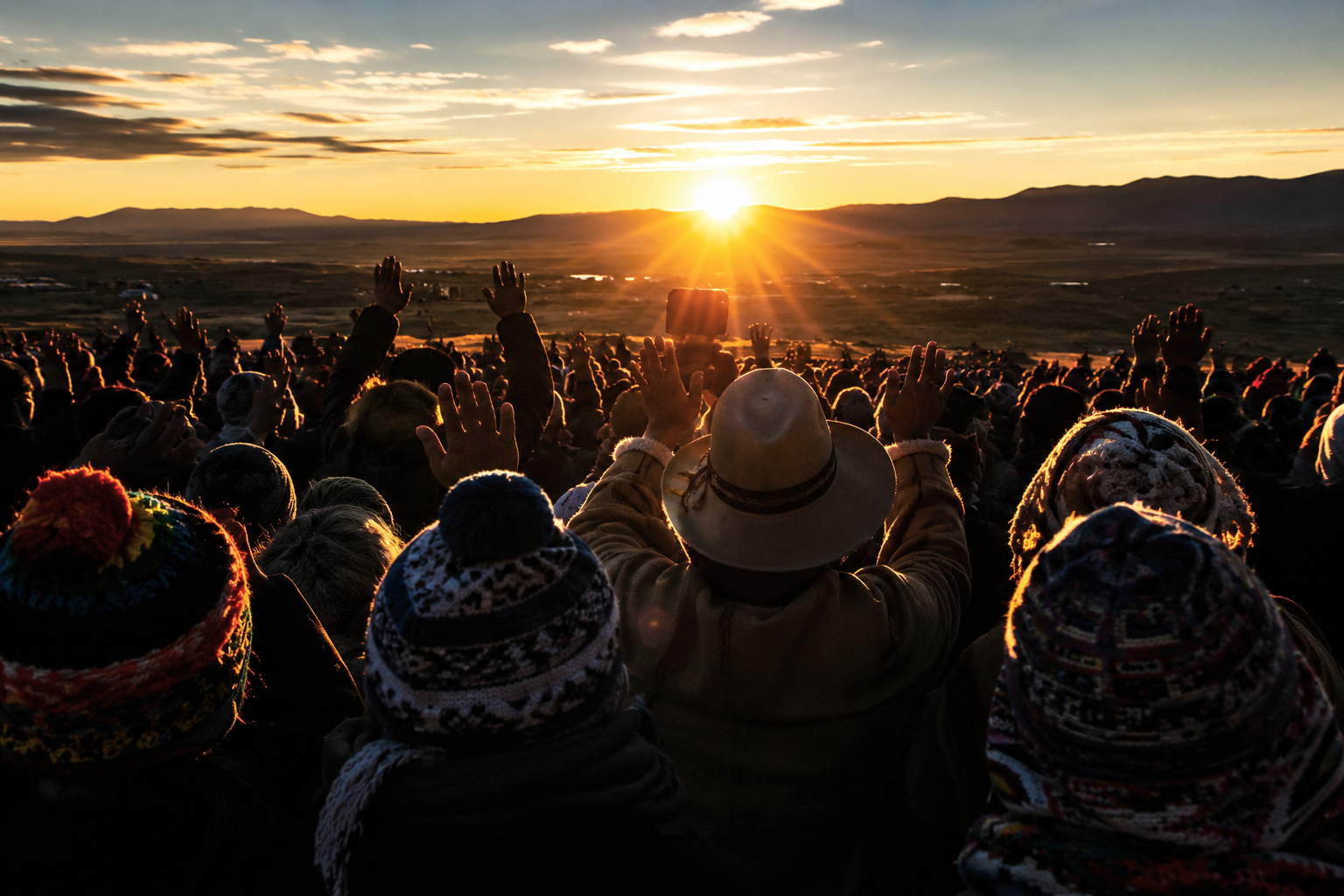
June Traditions in Bolivia: Welcoming a New Cycle and the Coldest Night of the Year
Best Things to Do in Bolivia in June
Celebrate the Aymara New Year in Tiwanaku
Experience San Juan traditions
Explore La Paz under clear winter skies
Visit the Uyuni Salt Flats during the dry season
Trek in the Andes
Enjoy winter sunsets from Killi Killi
Aymara New Year – Welcoming the First Sunrise
Every year on June 21st, Bolivia celebrates the Aymara New Year, also known as the Andean New Year. For many Indigenous communities, this date marks the beginning of a new cycle and the return of the sun after the longest night of the year. It is a time for gratitude, reflection, and hope for the months ahead. The celebration is deeply connected to nature and the changing seasons.
As the first sunlight appears on the horizon, many people raise their hands to welcome its energy. Ancient traditions, music, ceremonies, and offerings are all part of the day. The event reminds people of the strong connection between humans, the earth, and the cosmos. It is one of the most important cultural celebrations in the Andes. While the modern world moves fast, this tradition has survived for centuries. Today, it remains a powerful symbol of identity, community, and respect for ancestral wisdom.
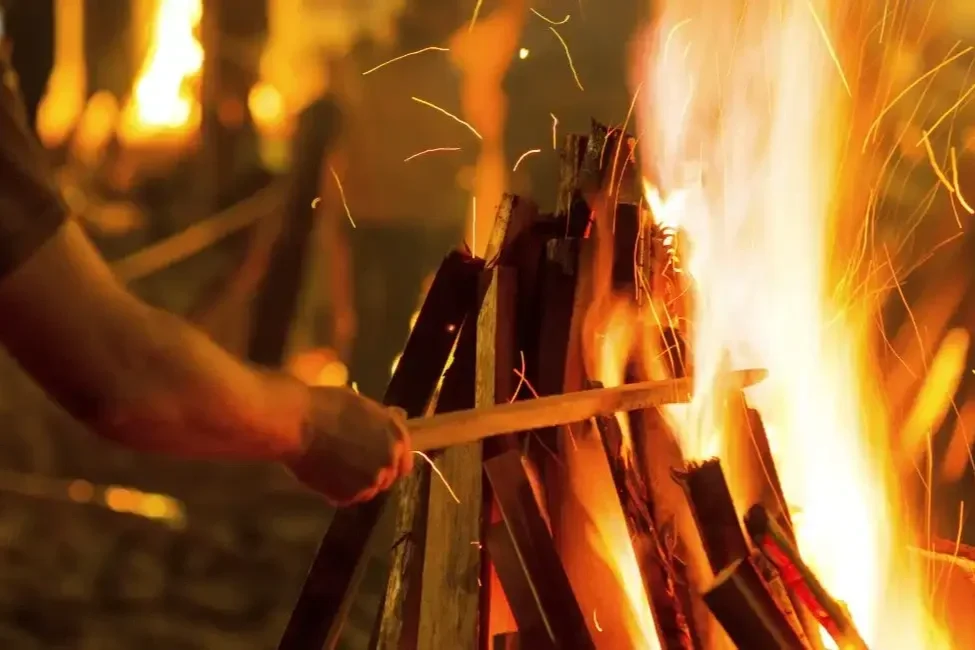
San Juan – The Coldest Night of the Year
Just a few days later, on June 23rd, Bolivia celebrates San Juan. Traditionally known as the coldest night of the year, it is a celebration that brings people together during the heart of winter. In the past, large bonfires lit up neighborhoods across the country. Today, environmental concerns have reduced the use of bonfires, but the spirit of the celebration remains. Families and friends gather to share food, stories, and time. Hot drinks, grilled food, and warm conversations become the center of the evening.
There is something special about coming together on a cold winter night while the city outside feels quiet and crisp. The celebration combines Indigenous traditions, local customs, and influences brought centuries ago. For many Bolivians, San Juan is connected to childhood memories, family gatherings, and winter traditions. It remains one of the coziest and most loved nights of the year.
How to Experience These Traditions as a Traveler
One of the best things about visiting Bolivia in June is that these traditions are not created for tourists. They are real celebrations that people continue to enjoy year after year, making them a special window into local culture.
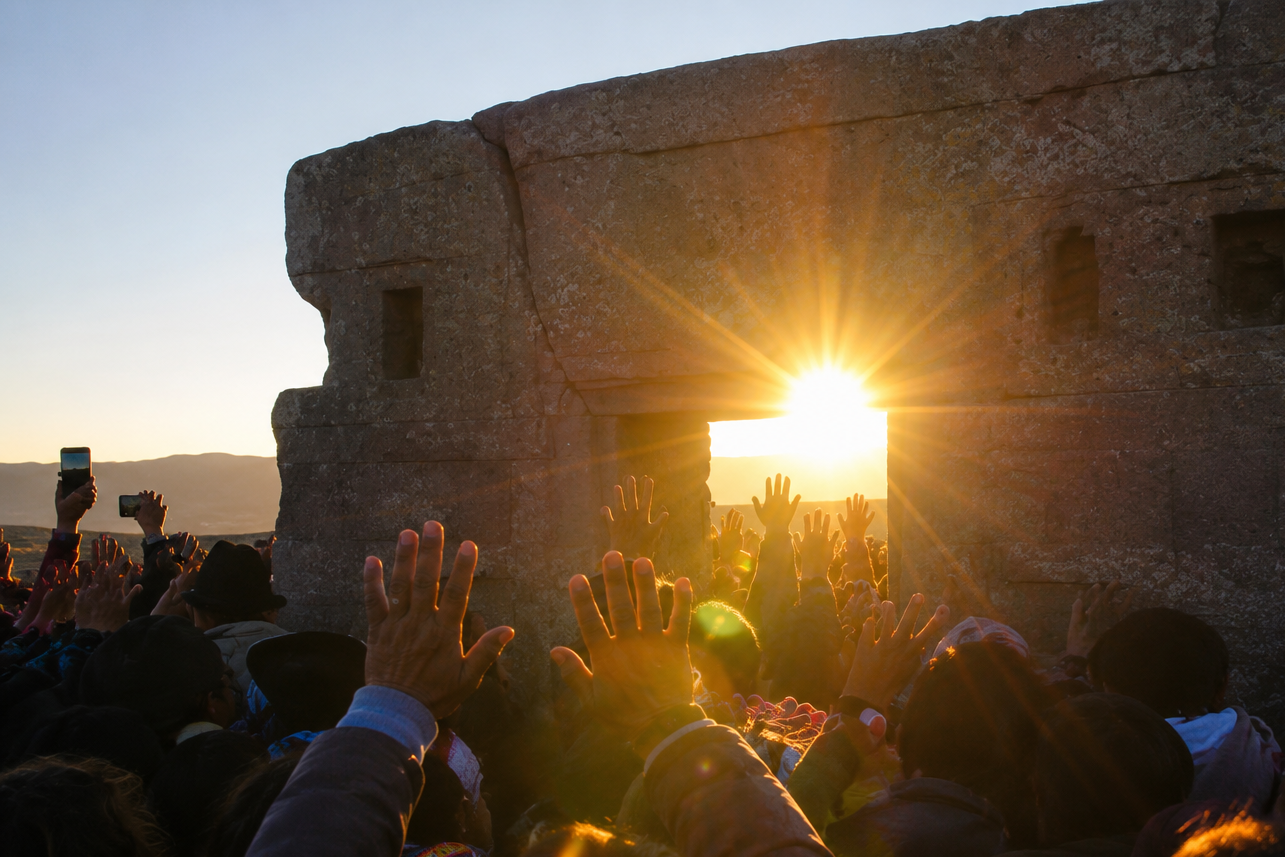
Experiencing the Aymara New Year
If you are in La Paz, the most famous place to celebrate the Aymara New Year is Tiwanaku, about two hours from the city. Many people leave during the night or very early in the morning to be there for sunrise on June 21st. Expect cold temperatures, large crowds, music, ceremonies, and a unique atmosphere as people welcome the first rays of the sun. Bring warm clothes, arrive early, and remember that for many participants this is an important spiritual celebration.
💡 Important Travel Info
If you're planning to experience the Aymara New Year at Tiwanaku this year, keep in mind that celebrations may look a little different because of the current road blockades and the situation in Bolivia. Some transportation options, events, or attendance levels may change closer to June 21st.
If reaching Tiwanaku becomes difficult, don't worry. One beautiful alternative is to find a high viewpoint in La Paz and watch the first rays of sunlight appear over the Andes. Places like Killi Killi, or simply a quiet spot overlooking the city, can make for a memorable start to the Andean New Year.

Experiencing San Juan
San Juan takes place on the night of June 23rd. While the large bonfires that once filled the streets are mostly gone, the tradition is still very much alive. Restaurants, families, and neighborhoods often celebrate with warm food, hot drinks, music, and gatherings. One of the most traditional things to try is a hot dog, a classic San Juan favorite across Bolivia. Temperatures can drop close to freezing, so bring your warmest jacket and enjoy one of the coziest nights of the Bolivian winter.
Weather in Bolivia in June
June marks the beginning of Bolivia's dry winter season. In La Paz and the Andes, mornings and evenings can be very cold, while sunny afternoons often feel comfortable and pleasant. Travelers should pack layers, warm jackets, sunscreen, and comfortable walking shoes. The clear skies make June one of the best months for photography, trekking, and mountain views.
If you're planning to visit during the dry season, read our complete guide to winter in Bolivia.
A Final Thought
June is one of those months when Bolivia feels especially connected to its traditions. Whether you're watching the sunrise over Tiwanaku or sharing a warm meal on a cold San Juan evening, you'll experience a side of the country that many travelers never get to see.
As always, if you have any questions about traveling in La Paz or around Bolivia, feel free to contact us. We're always happy to help make your trip a little easier and a lot more memorable.
And don't forget to sign up for our newsletter. Every week, we share travel inspiration, local tips, events, hidden gems, and updates about what's happening in La Paz and around Bolivia right now, helping you make the most of your adventure.
See you soon
Elin
FAQ: June in Bolivia
Is June a good time to visit Bolivia?
Yes. June is one of the best months to visit Bolivia thanks to clear skies, dry weather, mountain views, and important cultural celebrations.
What is the Aymara New Year?
The Aymara New Year is an Indigenous Andean celebration held on June 21st that marks the beginning of a new solar cycle.
Where can I celebrate the Aymara New Year?
Tiwanaku, near La Paz, is the most famous place to experience the celebration.
What is San Juan in Bolivia?
San Juan is celebrated on June 23rd and is traditionally known as the coldest night of the year, marked by food, gatherings, and winter traditions.
How cold is Bolivia in June?
Temperatures vary by region, but mornings and nights in La Paz and the Andes can be close to freezing, while afternoons are usually sunny and pleasant.