
Coffee in La Paz, Bolivia

MAR, 08 2026 || 10 MIN READ
Local Beans, Coffee Culture & Best Cafés
Every week here at Café del Mundo, travelers ask us where our coffee is from. And many are genuinely surprised when we proudly tell them, it’s from here, from Bolivia, just a few hours away!
If you’re curious about coffee in La Paz, Bolivia, you’ll quickly realize there’s much more to discover beyond what you might expect.
Bolivian coffee isn’t very world-famous (yet), but there are some truly amazing beans growing here in the country. And once people try it, you can see they didn’t expect it. At the same time, a lot of travelers arrive a bit confused. During their hotel breakfasts, they’ve often only been served instant coffee, Nescafé, instant coffee mixed with hot water, which, for many, can be a bit of a disappointment. But that way of drinking coffee actually has a long tradition here. The more specialty-style coffee, filtered, espresso, and cappuccinos, that’s something that’s only recently started to grow and take more space in Bolivia.
So today, I just want to share a bit about the amazing coffee this country has to offer, and how you can actually enjoy it while you’re here.
From La Paz to the Yungas, Where the Coffee Begins
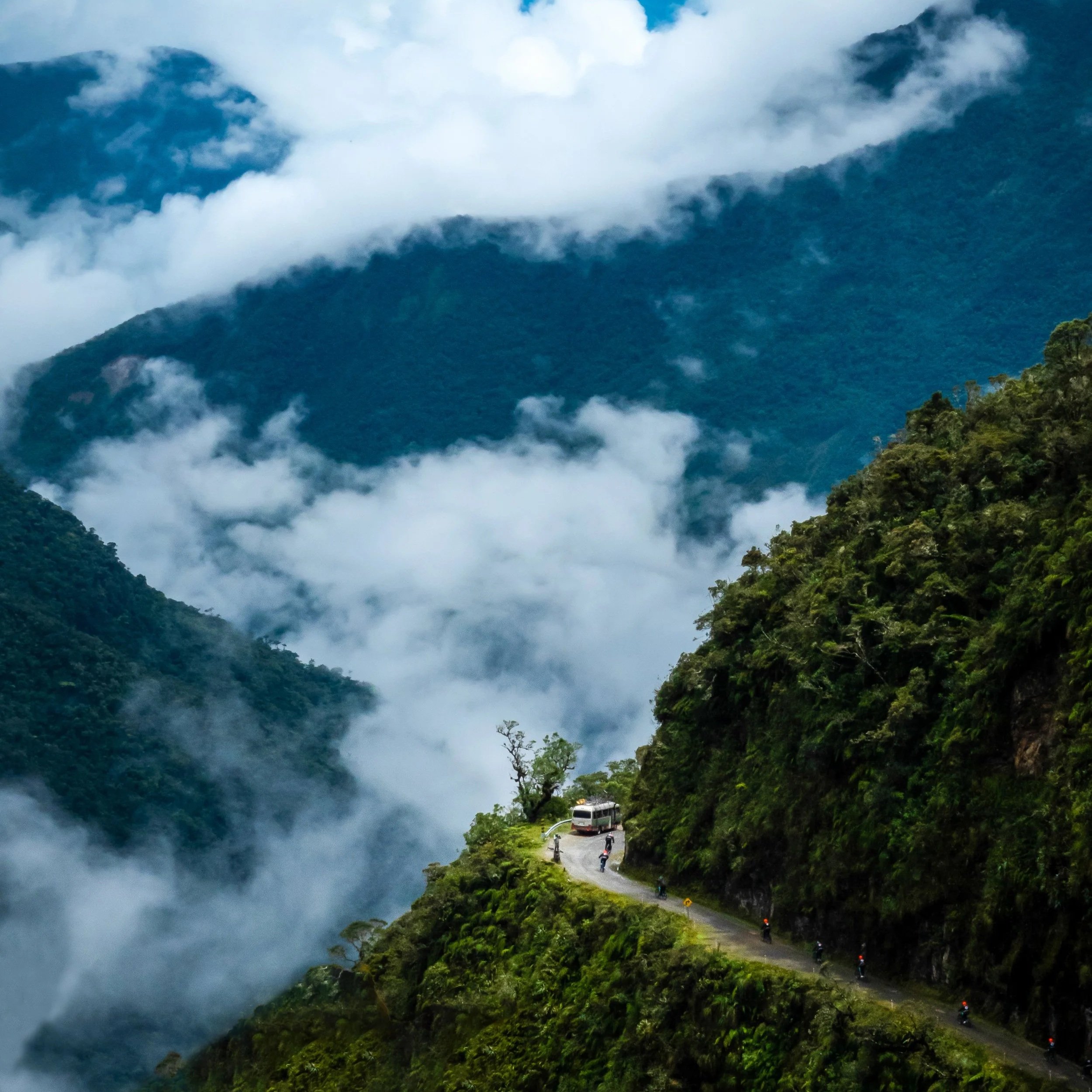
Leaving La Paz for Coroico and the Yungas feels like moving from one world to a completely different one. The dry, high-altitude air slowly fades as the road goes downward, and with every turn, the landscape changes. Everything becomes greener, the air warmer and more humid; you notice it right away.
Along the route, the well-known Death Road drops down the mountains. Today, it’s mainly used for bike tours, while cars and transport take a newer, wider asphalt road built alongside it.
Further down, this region is also where much of Bolivia’s coffee is grown. It’s quite surprising to think that just a few hours earlier, you were in the busy streets of La Paz.
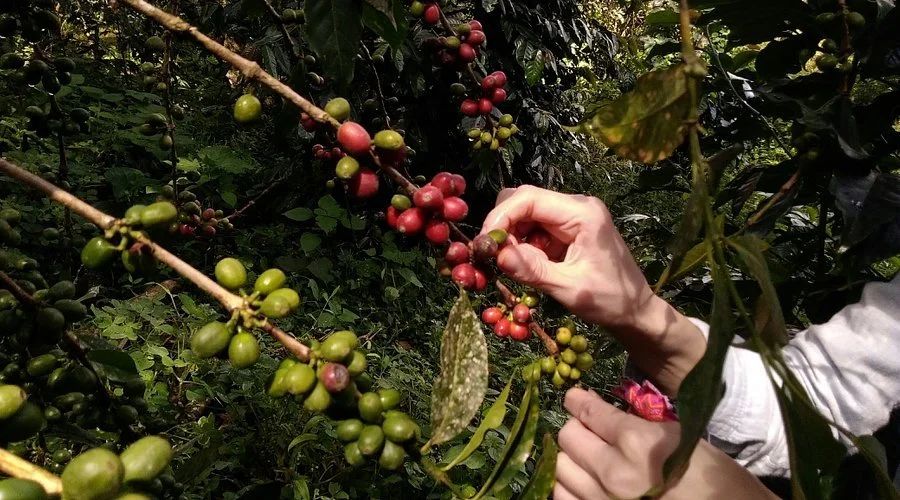
Coffee in Bolivia doesn’t come from large industrial farms. Instead, it’s grown on small, often family-run fincas. The coffee plants grow alongside banana trees, mango trees, and other tropical plants, creating a natural ecosystem where everything feels connected. The beans are a part of a living landscape. You walk between the trees, sometimes on narrow paths, while someone explains the process, from plant to harvest, to drying, to roasting.
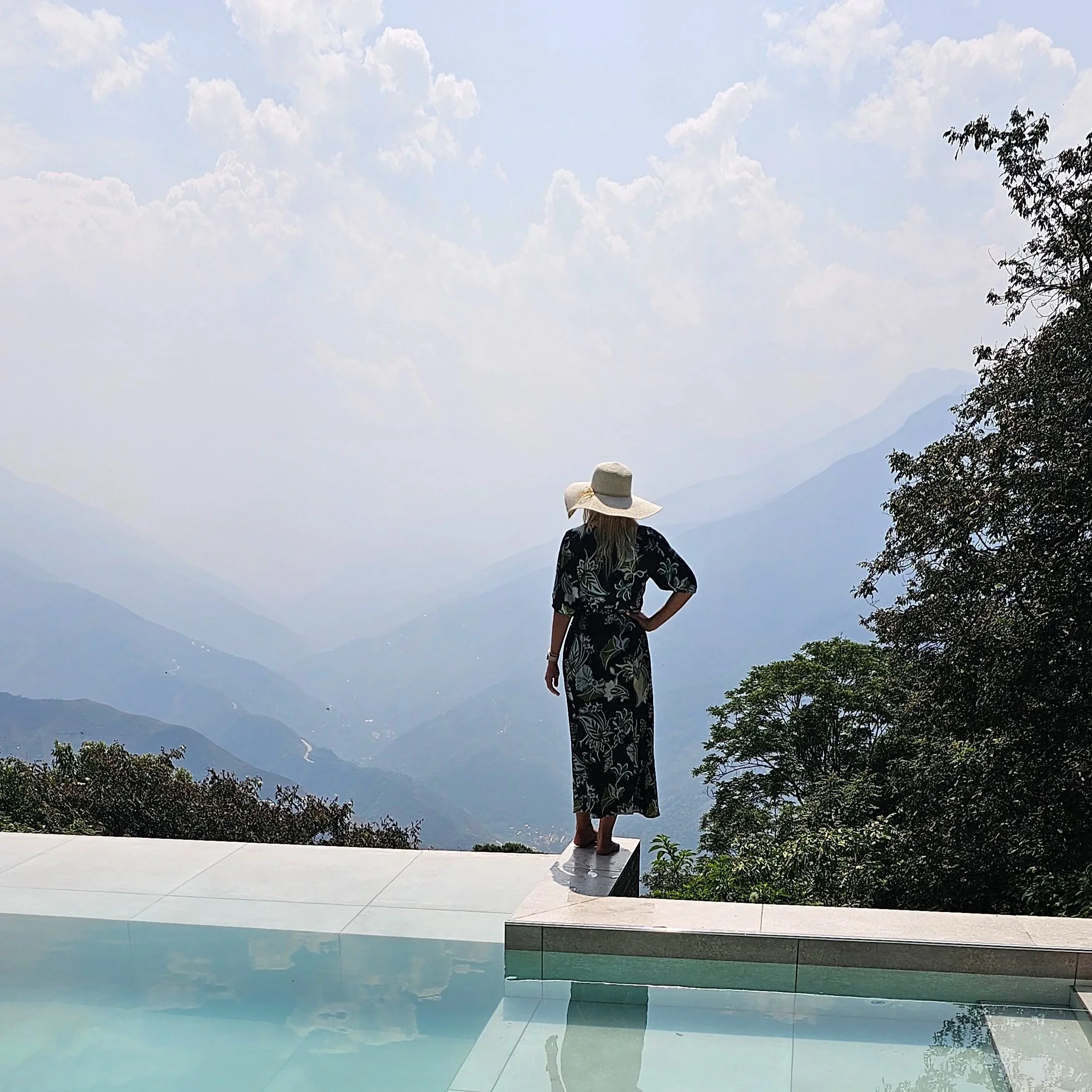
And then you get to taste it. You try different kinds of coffee, maybe prepared in different ways, noticing the small differences you didn’t expect. Sometimes it’s not just about the coffee either, you might sit down for a simple, coffee-inspired lunch, in the shade under palm trees, with the sounds of the jungle around you.
It’s one of those moments where everything just feels very far away from the city. And yet, the quality can be incredibly high. Bolivian coffee is often organic, grown at altitude, and carefully handled from start to finish. The flavors are clean, complex, and surprisingly refined.
So why isn’t it more famous? Part of it comes down to scale. Production is smaller, and much of the coffee never makes it far beyond the region or country. There’s also less global marketing compared to bigger coffee-producing countries. But that’s also what makes it special. It’s still something you discover, rather than something that’s been overexposed. And when you sit with a cup of Bolivian coffee, knowing it was grown just a few hours away, in those green valleys you just passed through, it somehow tastes even better.
Fun to Know
Coffee in Bolivia is often grown at high altitudes, typically between 1,200 and 2,000 meters above sea level, which is considered ideal for producing high-quality, flavorful beans.
But in the same regions, especially in the Yungas, farmers also grow coca leaves. For many, coca can be more reliable; it grows faster, requires less work, and often provides a steadier income. Because of that, coffee sometimes becomes a smaller part of production, which is one of the reasons why Bolivian coffee is still relatively limited and less known on the global market.
Coffee Culture in La Paz, Slowly Growing
Back in La Paz, coffee culture is slowly but surely growing.
More small cafés are opening up, each with their own style, their own way of brewing, and a real focus on quality. It’s still not as developed as in some other countries, but that’s also part of the charm; you feel like you’re catching it in its early stages.
There’s a mix now. Traditional ways of drinking coffee still exist, but alongside that, you’ll find places experimenting with specialty beans, different brewing methods, and more attention to where the coffee actually comes from.
If you’re looking for the best cafés in La Paz, here are a few places to start:
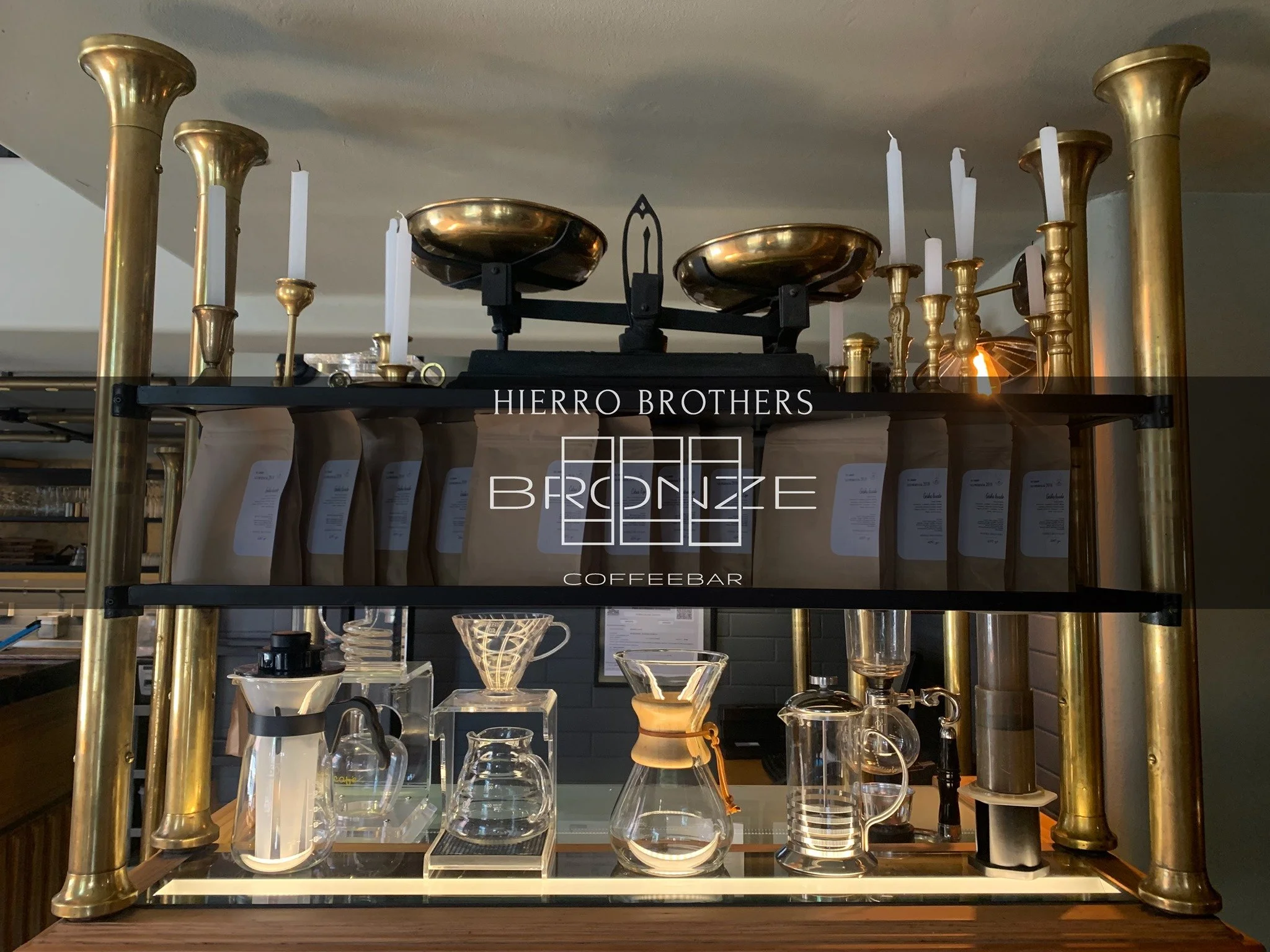
HB Bronze Coffee Bar
Roaster Boutique – A more specialty-focused café where the attention is really on the coffee itself. Expect carefully sourced beans, precise brewing, and a calm, minimal space.
HB Bronze Coffeebar – A small, trendy spot with a local feel. It’s cozy, a bit more relaxed, and still very focused on quality, easy to drop into and stay longer than planned.
Buena Vista Café (Zona Sur) – Located in the southern part of La Paz, this café serves coffee from the Santa Cruz region. It’s a bit different from the Yungas profile but still really delicious, and a great place to pick up nicely packaged coffee to bring home as a souvenir.
Other Ways to Enjoy Coffee in La Paz
But coffee in La Paz isn’t only about cafés.
Sit down at a local market and try a cup of that dark, boiled Bolivian coffee. It’s strong, simple, and very much part of everyday life, a lot about a local moment.
Take a barista course in the city. A few places offer short experiences where you can learn more about Bolivian beans, brewing methods, and actually get hands-on with the coffee.
Travel down to Coroico and visit a coffee farm. Walk between the plants, see how it’s grown, and taste it right at the source, it gives you a completely different connection to what’s in your cup.

Bolivia’s Coffee, Still Waiting to Be Discovered
Bolivia isn’t Colombia, but that doesn’t mean the coffee isn’t just as good. It’s simply less known. And maybe that’s part of the beauty. It hasn’t been overexposed. It’s something you discover for yourself. So if you’re a coffee lover, this is a place you shouldn’t miss. Take the time to try Bolivian coffee, not just once, but in different ways, in different places.
And if you find yourself in La Paz, we’re always waiting for you at Café del Mundo. Come by for a cup of real Bolivian coffee while you plan your next coffee adventure.
Elin
FAQ About Coffee in La Paz Bolivia
Is Bolivia known for coffee?
Bolivia produces high-quality coffee, especially from the Yungas region, but it’s less known globally due to smaller production.
Where does coffee in La Paz come from?
Most coffee served in La Paz comes from the nearby Yungas region, just a few hours away.