
Las Ñatitas in La Paz: Understanding Bolivia’s Unusual November 8 Tradition
November 3, 2026 || 4 min read
Flower crowns, cigarettes and real human skulls. What Las Ñatitas means in Bolivia, and how to experience the November 8 tradition at the Cementerio General with respect.
If someone asked me which Bolivian tradition has surprised me the most, I wouldn’t have to think twice: Las Ñatitas.
And if you’re going to be in La Paz on November 8, this is a tradition you might have the chance to experience for yourself.
Would I recommend it to travelers? Yes, but this is one experience that deserves a little preparation. What you see might surprise you, challenge you or leave you unsure how to feel. That’s a good reason to arrive with some understanding of what the day means to the people taking part.
Because behind something that may seem unusual at first are people, beliefs and personal stories that deserve time and respect.
That’s what I want to help you understand here, so you can arrive with curiosity and a little more context.
Another tip? Go with a knowledgeable local guide. Having someone who can explain what is happening and answer your questions can make a huge difference. And trust me, you will have questions, probably more than you expected.
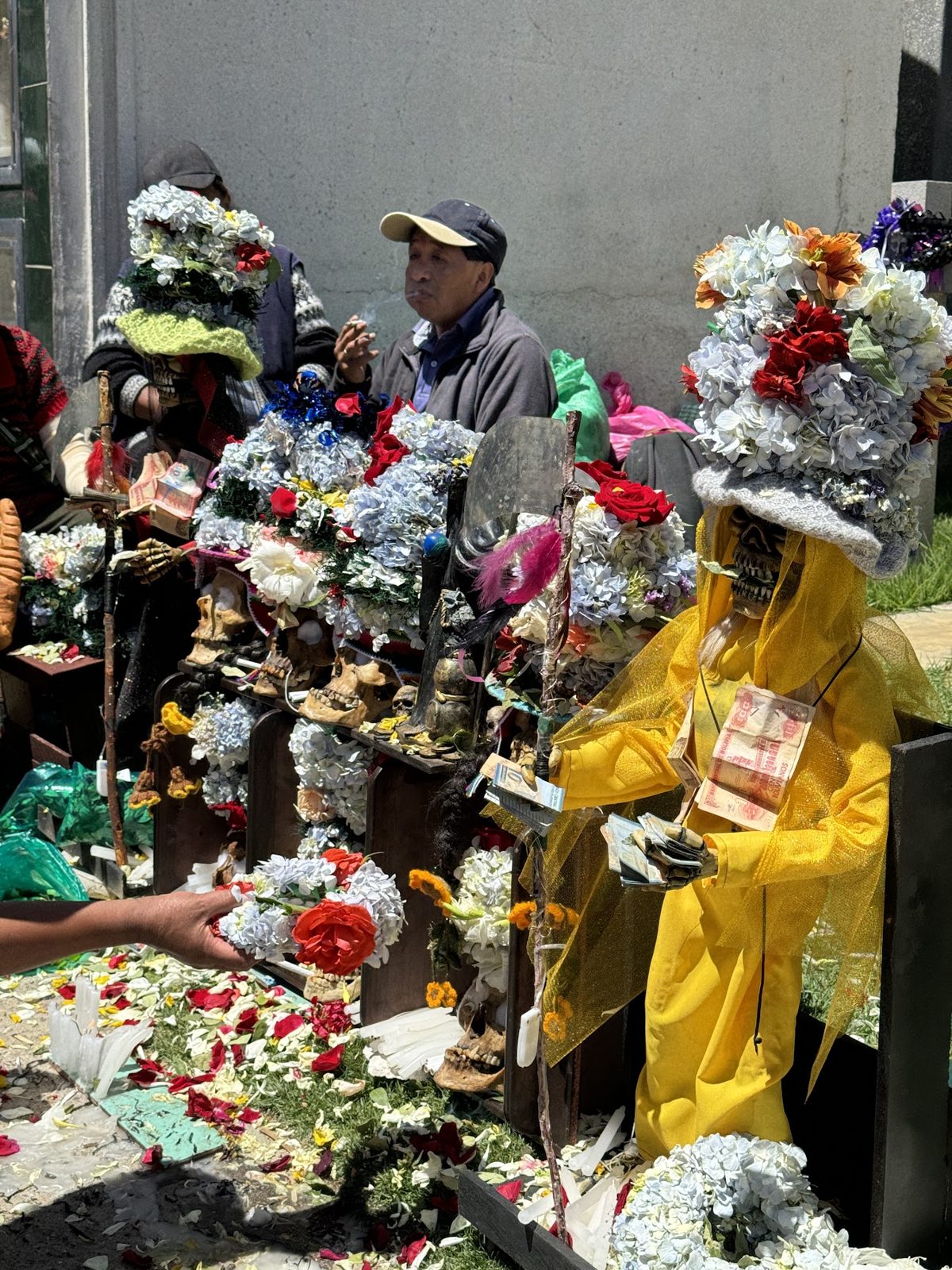
So, let’s take a closer look at Las Ñatitas in La Paz, Bolivia, and what to know before experiencing this November 8 tradition.
Las Ñatitas: Flowers, Cigarettes and a Connection Beyond Death
A human skull with a flower crown and a cigarette between its teeth is probably not something you expect to see in La Paz. But every November 8, devotees celebrate Las Ñatitas, honouring real human skulls they believe offer protection, health and help with everyday problems. A skull may belong to a relative or someone they knew, but it can also come from someone whose identity is unknown, with a new connection developing through its care.
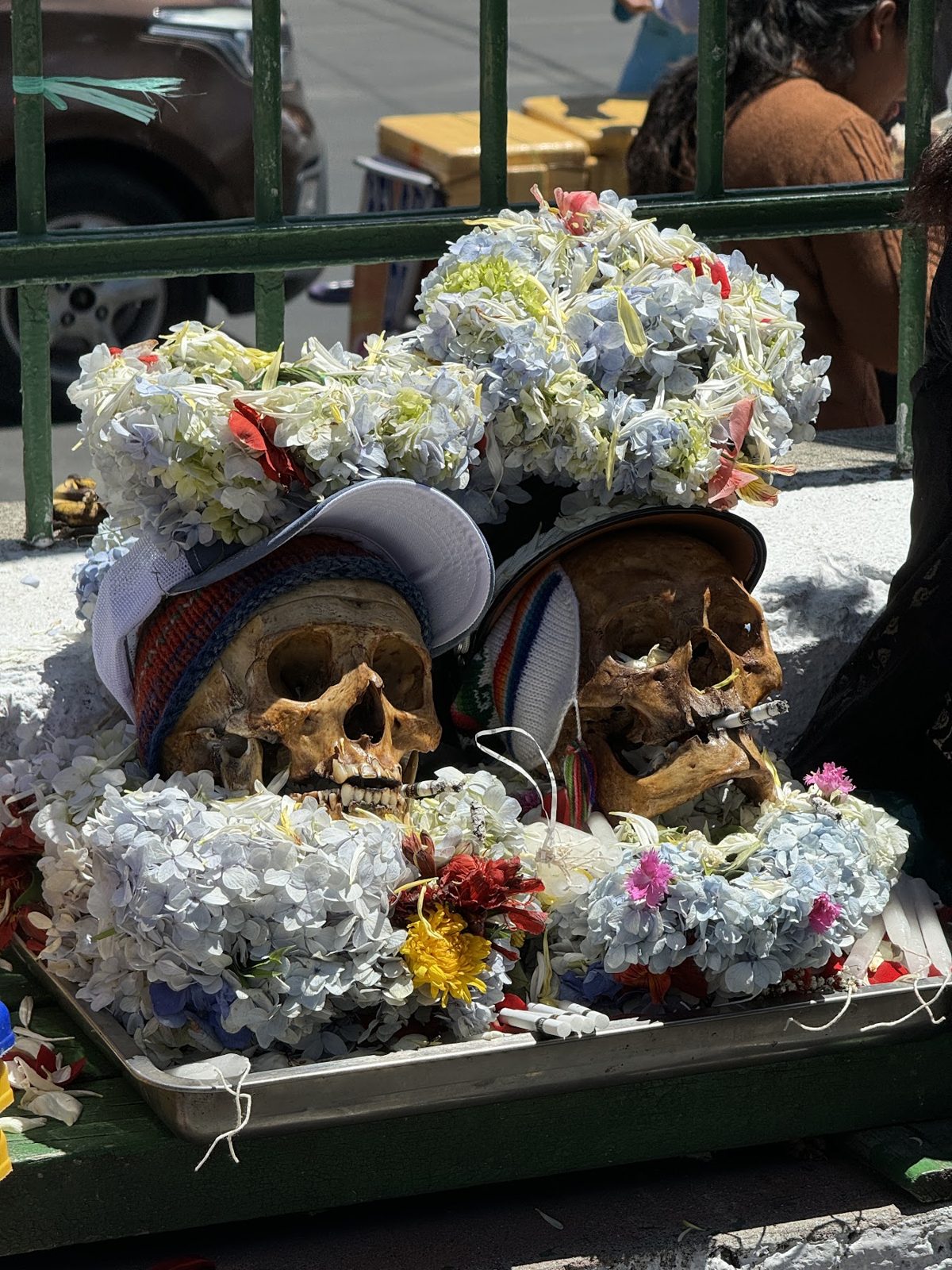
Some people keep their ñatitas at home throughout the year, caring for them and asking for support. On November 8, they bring flowers, coca leaves, candles and cigarettes to thank them for the help they believe they have received. For those taking part, these offerings are a way of showing affection and gratitude.
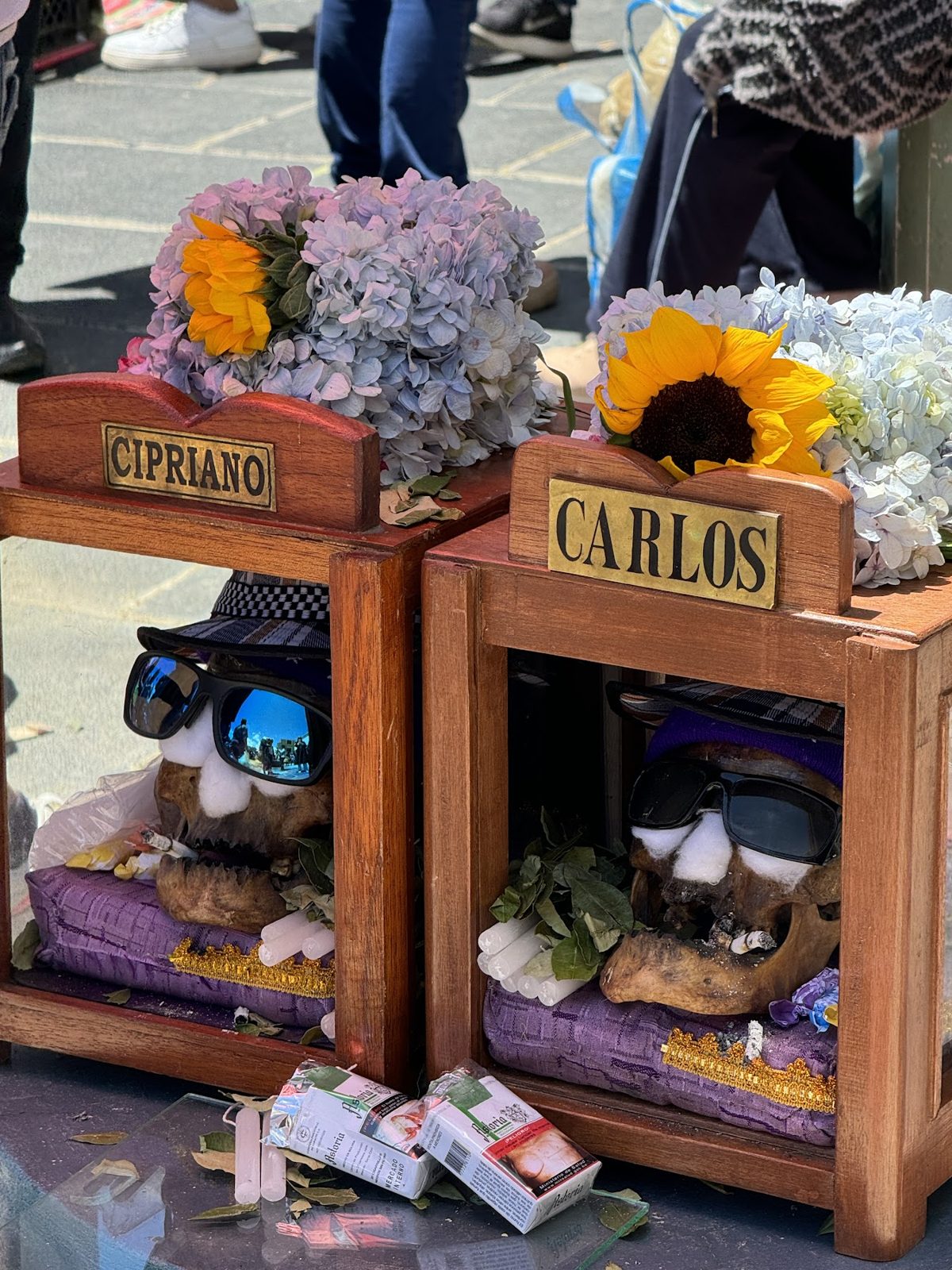
The tradition combines Andean beliefs with elements of Catholic prayer, although not all Bolivians practise it and beliefs vary. At its heart is the idea that a connection continues after death. Understanding this helps explain why something that might surprise a visitor feels familiar and comforting to the people taking part.
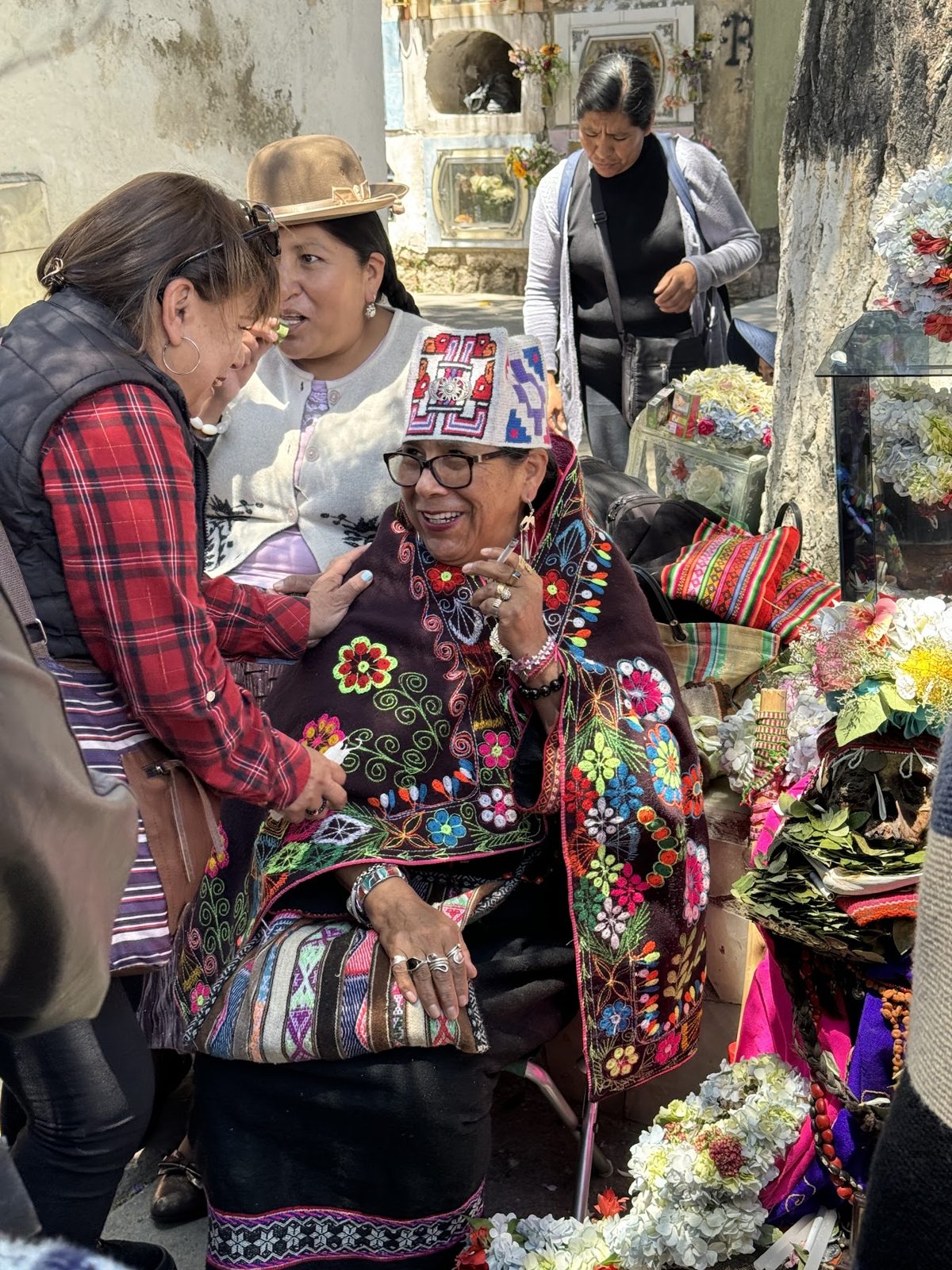
It also connects to the days just before. If you were here for Todos Santos on November 1 and 2, Las Ñatitas is another way to see how close the relationship between the living and the dead can be in Bolivia.
How to Experience Las Ñatitas in La Paz
If you’re in La Paz on November 8, head to the Cementerio General to experience Las Ñatitas. Plan a morning visit and allow time to explore slowly, checking opening hours closer to the date.
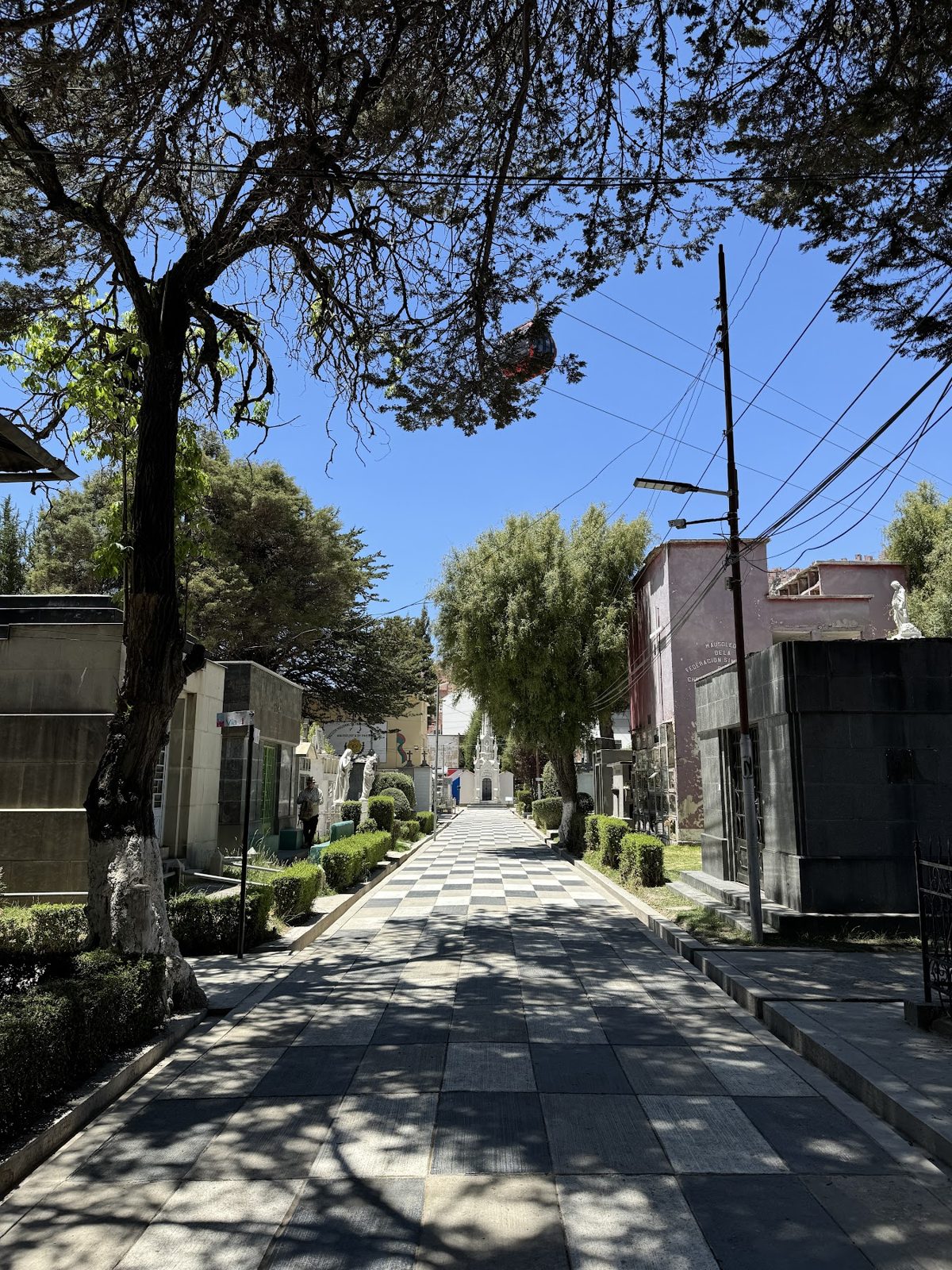
Go with a knowledgeable local guide who understands the tradition. Someone who can explain the offerings, translate conversations and answer your questions will help you connect what you see with the beliefs and personal stories behind it.
Expect crowds, give people space and always ask before photographing anyone or their ñatita. Follow the devotees’ lead if invited to participate, and arrive with curiosity and respect. This is a meaningful day for the people sharing it with you.
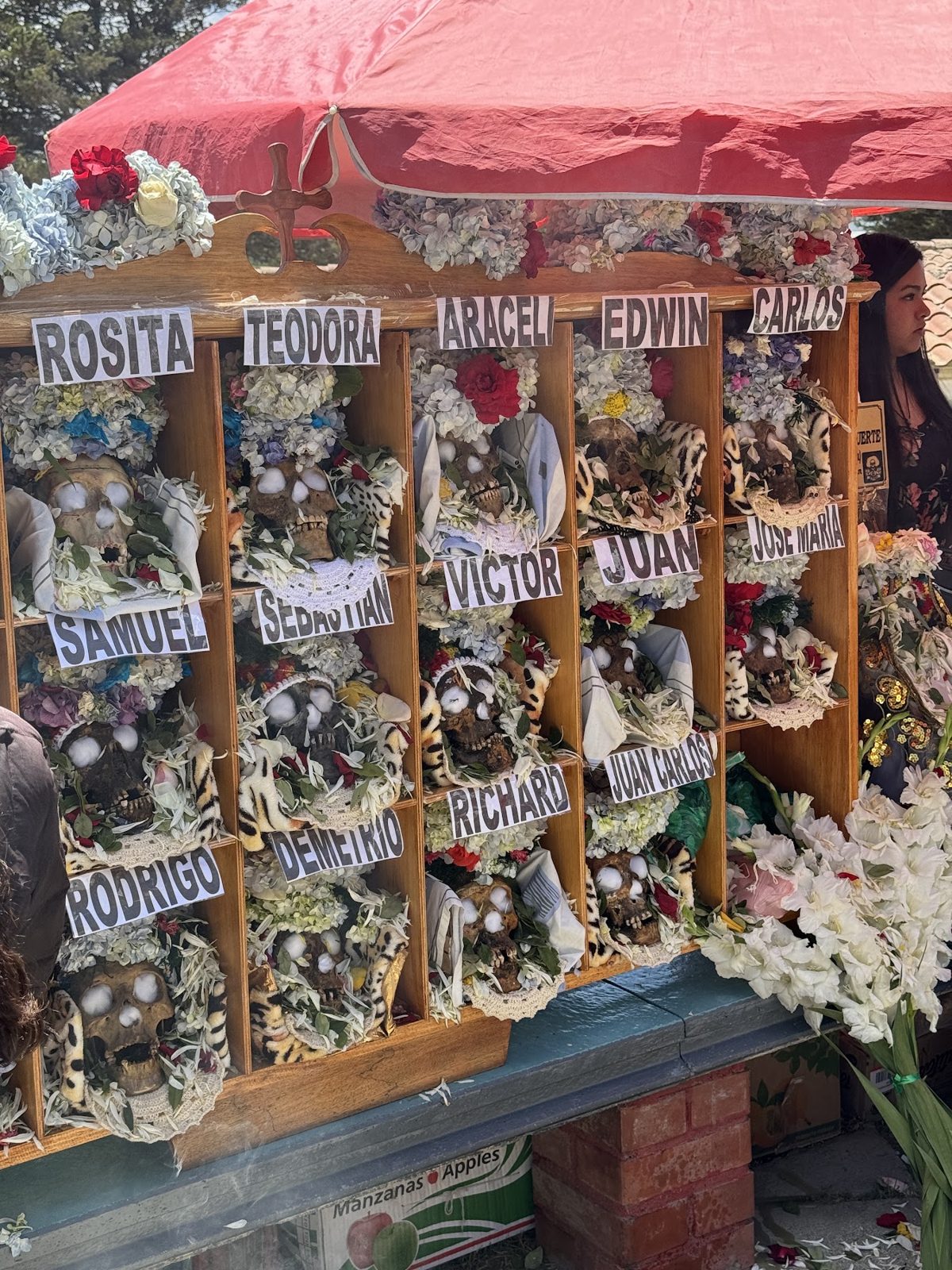
A Tradition You’ll Never Forget
If you’re in La Paz on November 8, take the chance to experience a tradition you’ll never forget. It might feel unfamiliar at first, and you’ll probably leave with a few questions, but that is also part of discovering a place beyond its usual sights.
Go with curiosity, take time to listen and let someone who knows the tradition help you understand the stories behind it. Check our TravelZine for recommended guides, and subscribe to our newsletter for more stories, local traditions and discoveries from La Paz.
I hope you’ll be here to join, and if you do, I’d love to hear what stayed with you afterwards!
See You Soon
Elin Olofsson