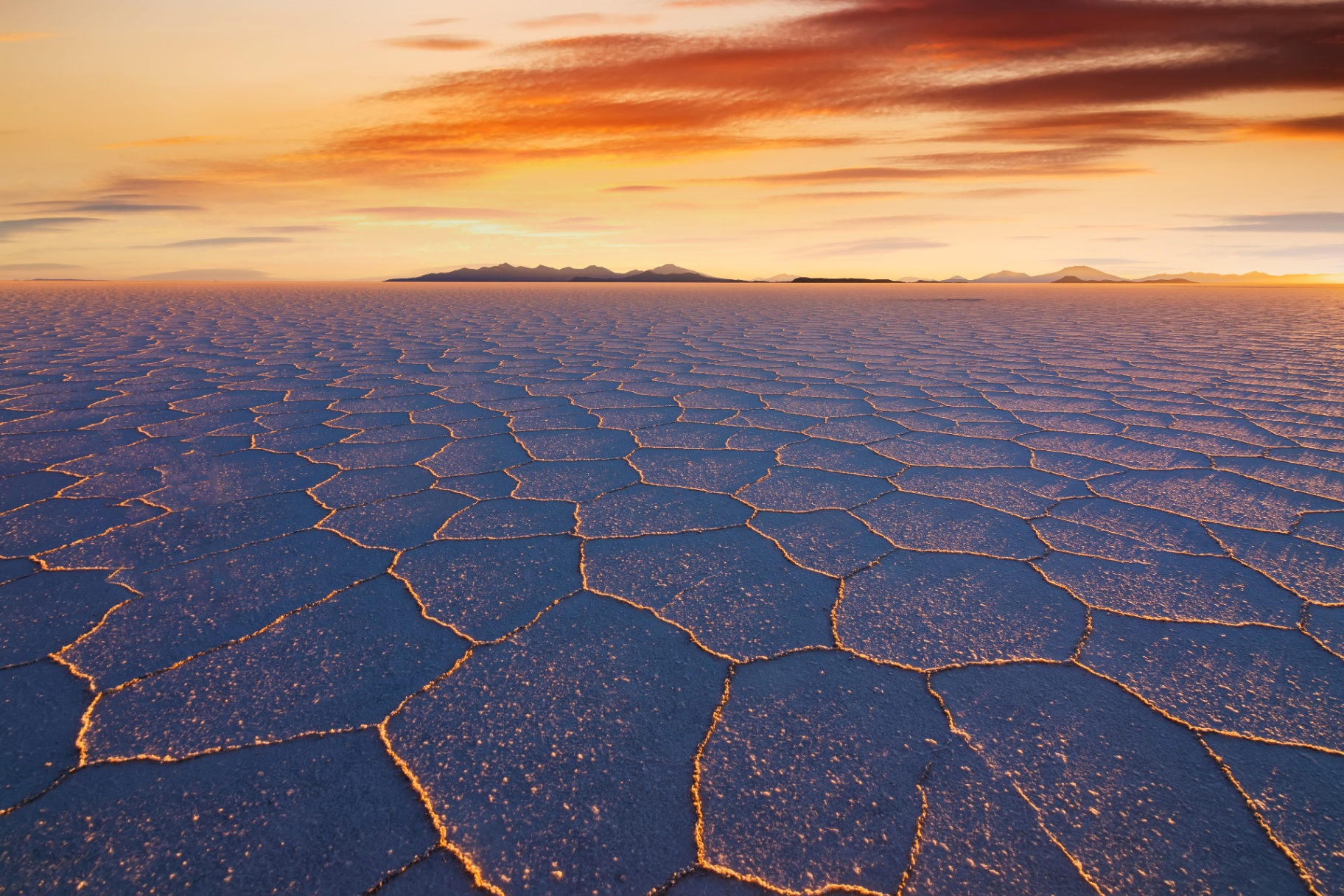
Salar de Uyuni
The world's largest salt flat — mirror in the wet, hexagons in the dry. Either trip is unforgettable.
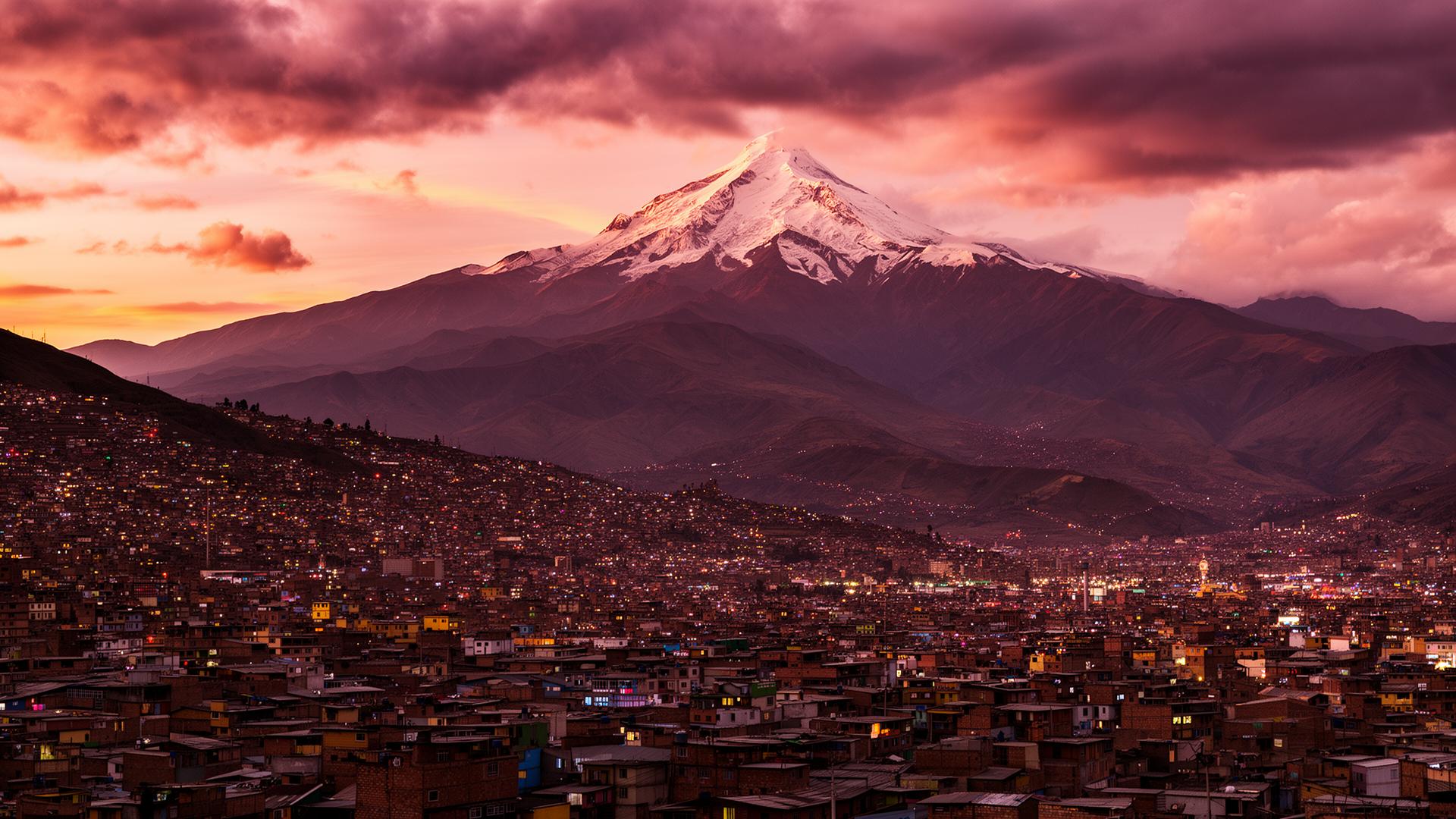
where we live
South America's most underrated country. High, hard, and impossibly beautiful. Here's how to do it right.
start with the why
Bolivia rewards travelers who arrive with a little local knowledge. The altitude is real, the distances are long, and bus schedules change with the weather. But the upside is rare: the wildest landscapes in the Andes, a culture that hasn't been polished for visitors, and prices that still make a longer trip possible.
Most travelers we meet at the café tell us the same thing afterwards: Bolivia ended up being the part of the trip they remember most. Explore it with a little local knowledge, and the whole country opens up.
why we know this place
Travel del Mundo was started by Elin, originally from Sweden and the founder of Café del Mundo — a small travel cafe in La Paz where people swap routes across Bolivia and the rest of South America. Most of what's on this page started as a conversation across one of those tables.
Read our storywhere to go
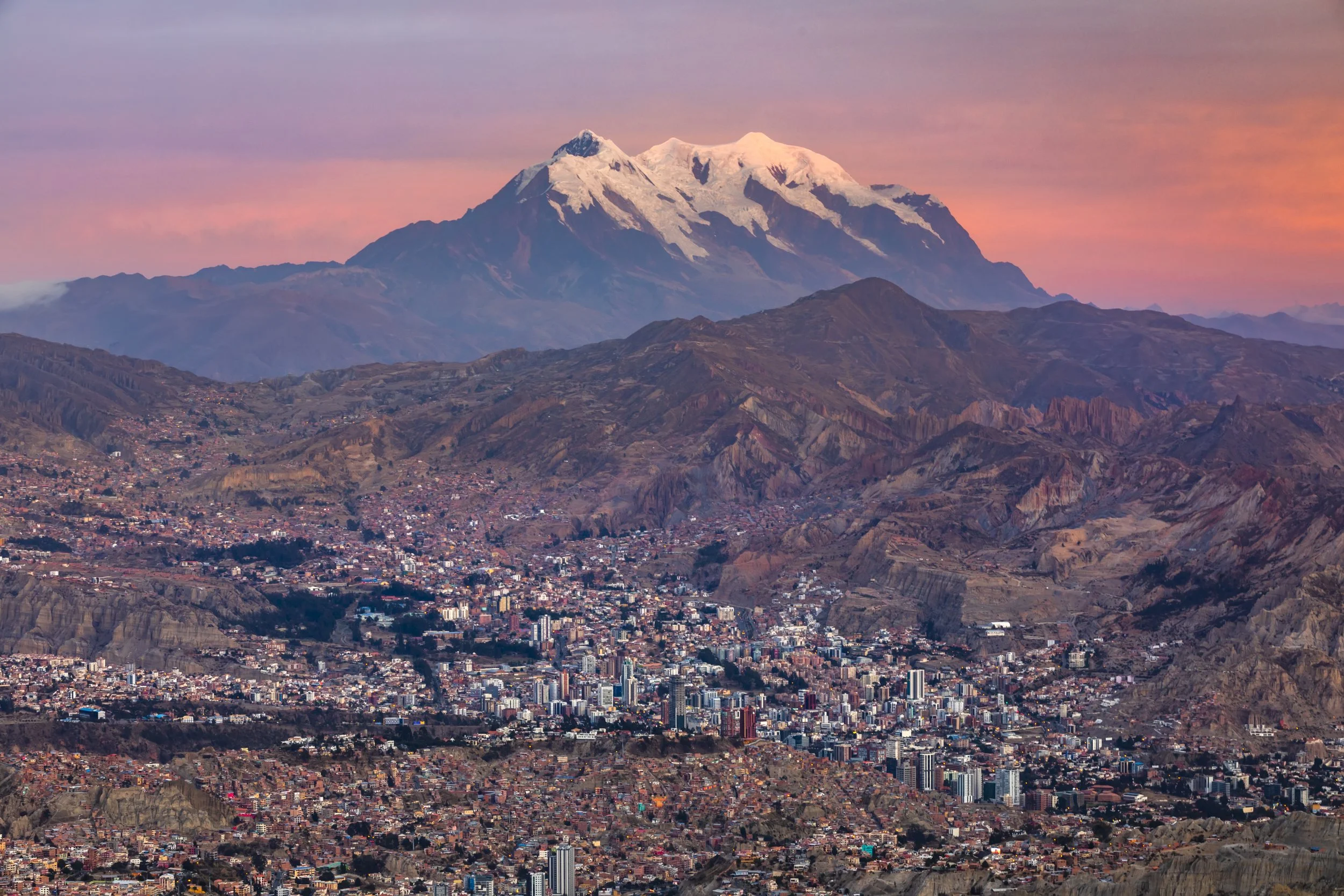
The capital that lives in the sky.
View regionThe salt flats — mirror in the wet, hexagons in the dry.
View regionThe Inca side of the highest navigable lake.
View regionWhitewashed colonial Bolivia at a sane altitude.
View regionJungle and pampas, on a budget that still surprises.
View regionbest time to visit
Rainy in the highlands. Uyuni mirror starts forming.
Carnaval de Oruro — one of the great festivals.
Mirror season peaks at Uyuni. Wet roads elsewhere.
Rains taper. Green hills, fewer travelers.
Dry season opens. Clearest skies of the year.
Cold nights at altitude. Best for trekking.
High season. Book Uyuni tours early.
Still dry, still busy. Reliable buses.
Shoulder begins. Warming up, fewer crowds.
Soft light, occasional showers.
First rains. Dry Uyuni still possible.
Rainy season returns. Día de los Muertos region-wide on Nov 2.
If you can pick, go in May or September — dry skies, fewer crowds, soft light. January–March is amazing for the Uyuni mirror, and the country turns beautifully green; rain can slow travel a little, but the landscapes are worth it.
the practical stuff
La Paz sits at 3,600 m. El Alto airport is even higher. Plan the first 48 hours carefully and the rest of the trip gets a lot easier.
Bolivia is bus country. Domestic flights are cheap but unreliable; overnight buses cover most classic routes.
don't miss
The world's largest salt flat — mirror in the wet, hexagons in the dry. Either trip is unforgettable.
The old Yungas road, 3,600 m down to cloud forest. Less scary than the name, more beautiful than the photos.
Walk the spine of the island on the Inca side of Lake Titicaca. No cars, no rush.
Pre-Inca civilization an hour from La Paz. Go at solstice if you can.
Amazon access from Rurrenabaque. Pampas tours for wildlife, jungle lodges for the trees.
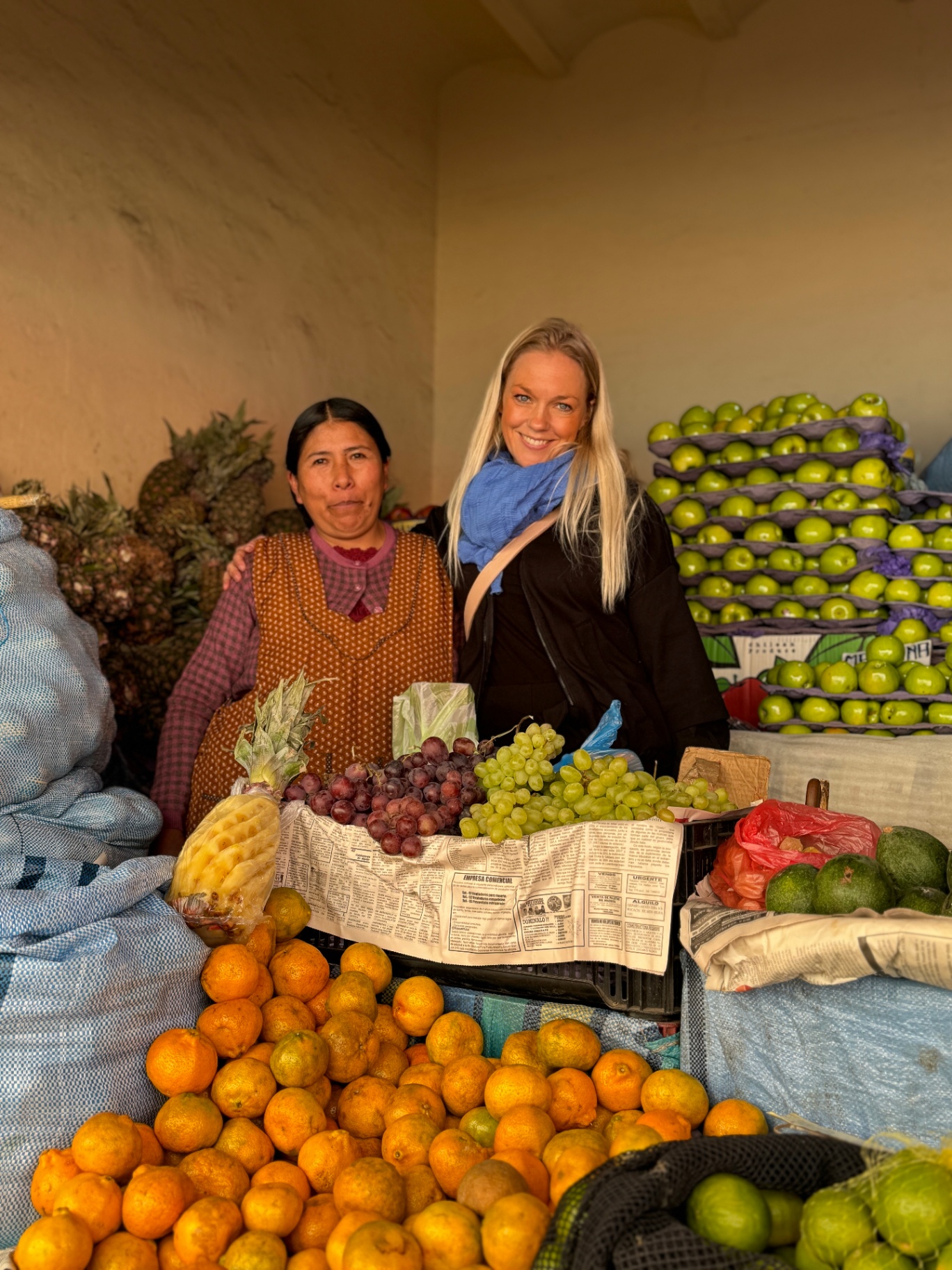
the classic two-week route
The route most travelers come for. We have a step-by-step version with timing, buses, and where to sleep at each stop.
Explore the itinerariesgo deeper
where to sleep
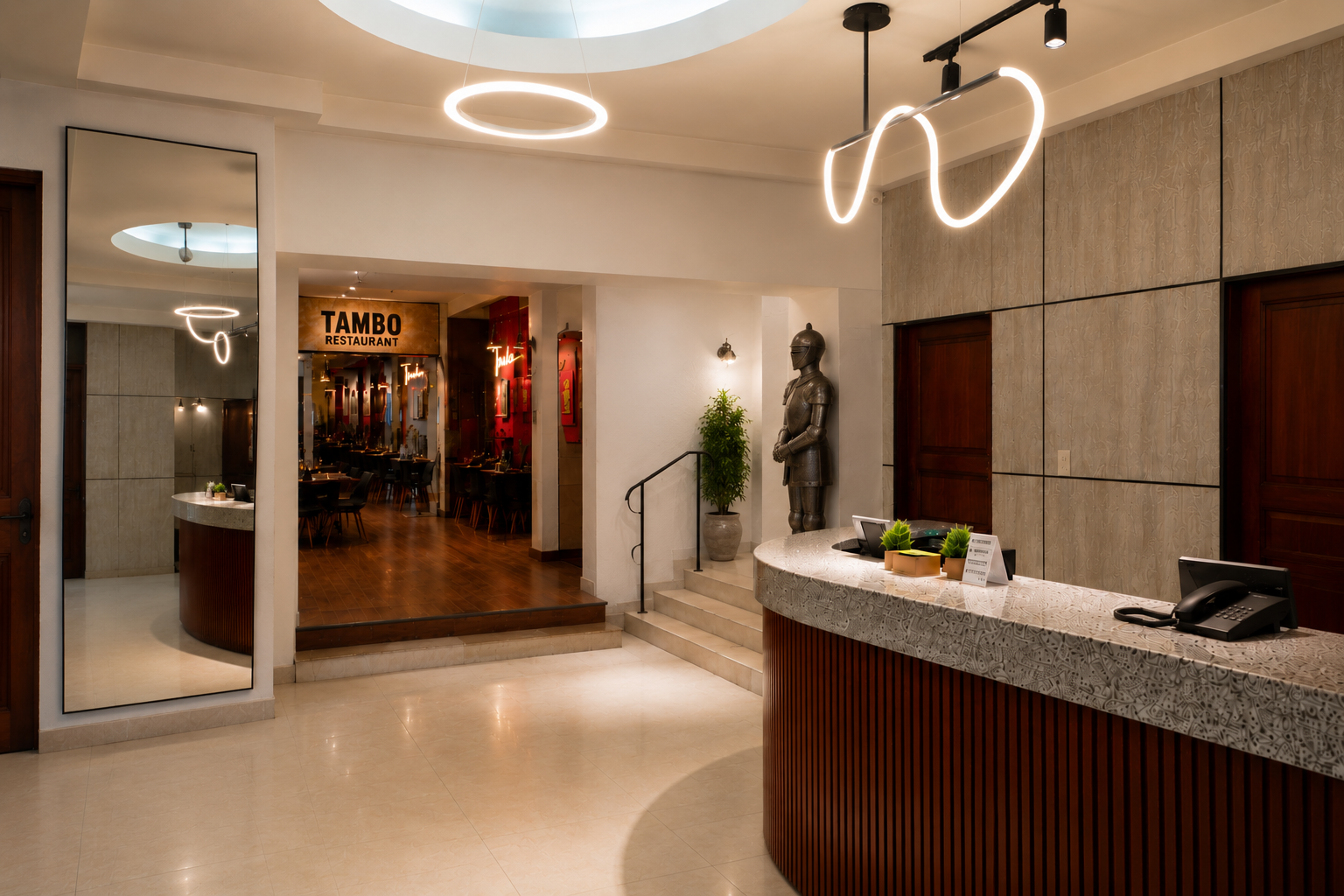 Hotel · $$
La Paz
Historic center
Right in the historic center, steps from the markets, and next door to Travel del Mundo, Café del Mundo and Tambo. Your local experience starts on day one.
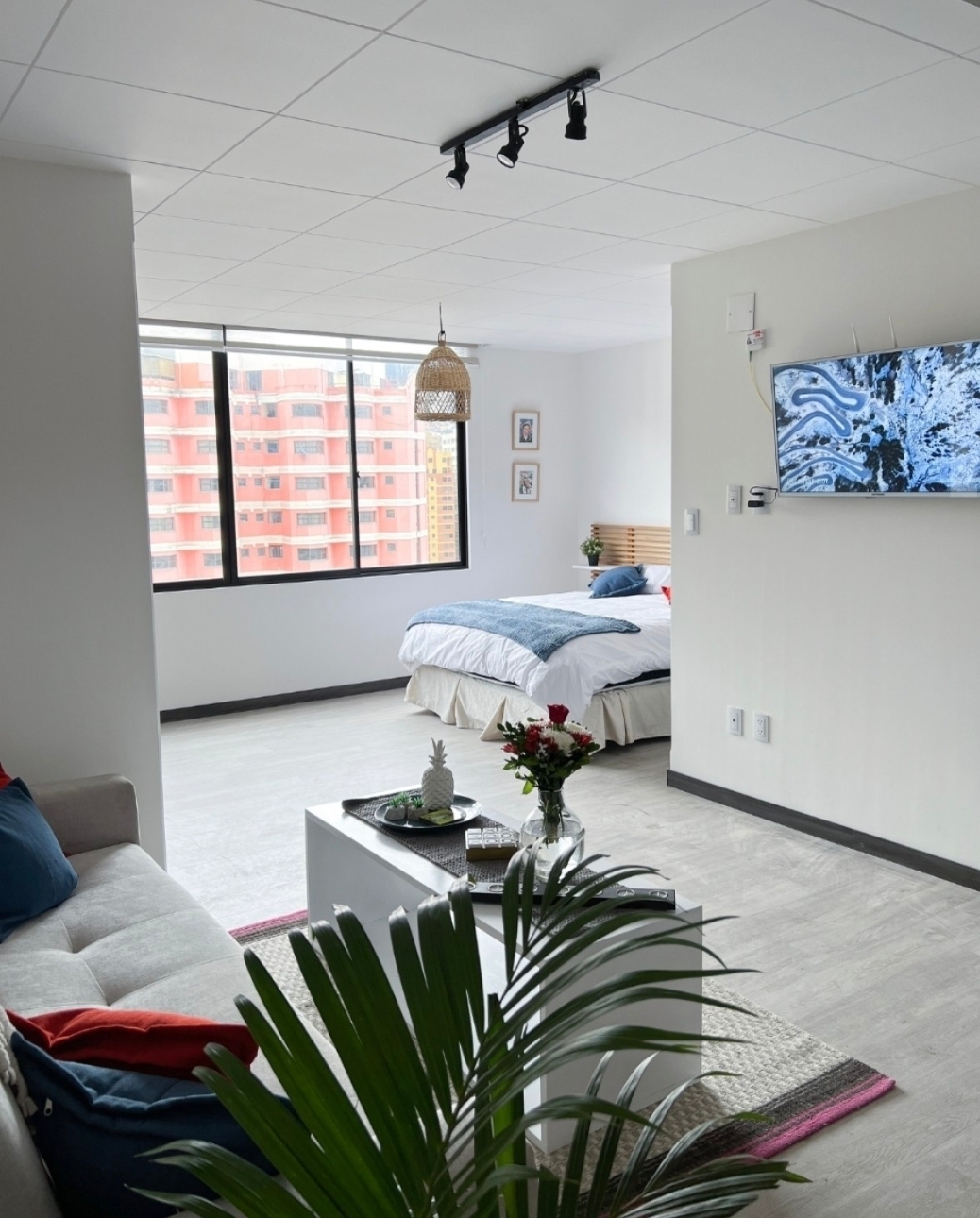 Apartment · $$
La Paz
Historic center
A cozy home-style apartment in the historic center, close to the markets, cafés, and the walking streets of La Paz. Great if you want space, your own kitchen, and a local feel. Same place as Andean Homes.
read more
Just around the corner from Café del Mundo, the Witches’ Market opens a window into Andean traditions and everyday life. Come with curiosity, walk slowly and ask questions.
A slower afternoon, a good coffee and another side of La Paz. These are my favourite ways to enjoy Sopocachi, from its creative corners and restaurants to viewpoints and relaxed evenings out.
Wondering how altitude in La Paz will feel? Here is an honest, reassuring guide to common symptoms and a gentle plan for your first two days.
Discover five of the best viewpoints in La Paz, from Killi Killi and El Montículo to lesser-known panoramic spots, plus the best time to visit each one.
A café story about Machu Picchu sold out, and a practical Bolivia guide: what is worth booking before you arrive and what can safely wait until you are here.
Taste your way through La Paz with this 3-day food map of Bolivian dishes — from salteñas and sopa de maní to anticuchos and plato paceño.