
What Altitude Feels Like in La Paz, and How to Plan Your First Two Days
September 29, 2026 || 7 min read
Wondering how altitude in La Paz will feel? Here is an honest, reassuring guide to common symptoms and a gentle plan for your first two days.
One of the questions travelers ask us most before arriving in La Paz is: “How will I feel at the altitude?”
It makes sense to wonder. Most people have never arrived in a city this high, and the honest answer is that nobody knows exactly how their body will react. Being fit can help, but it is no guarantee. Sometimes the youngest person in a group needs to slow down, while an older traveler is happily walking up the street as if altitude had never crossed their mind.
I’ve lived in La Paz for years, and I still get caught out by the little things. Once, while flying back from lower altitude, I felt a migraine starting in Santa Cruz. I thought, “It’s only a one-hour flight. I’ll take my medicine when I arrive.” That was a bad idea. Arriving in La Paz with a full headache made the day much harder than it needed to be.
Another time, I felt wonderful the day after arriving and went to a barbecue. I ate far more meat than my body needed while it was still adjusting. Nothing dramatic happened, but I did feel heavier and more tired than I had to.
So if you’re a little nervous about the altitude, I understand. You can’t predict every reaction, but there are simple ways to give yourself a smoother start. That’s what I want to share with you here, so you can spend less time worrying before your trip and more time enjoying La Paz when you arrive.
What Does Altitude Actually Feel Like?
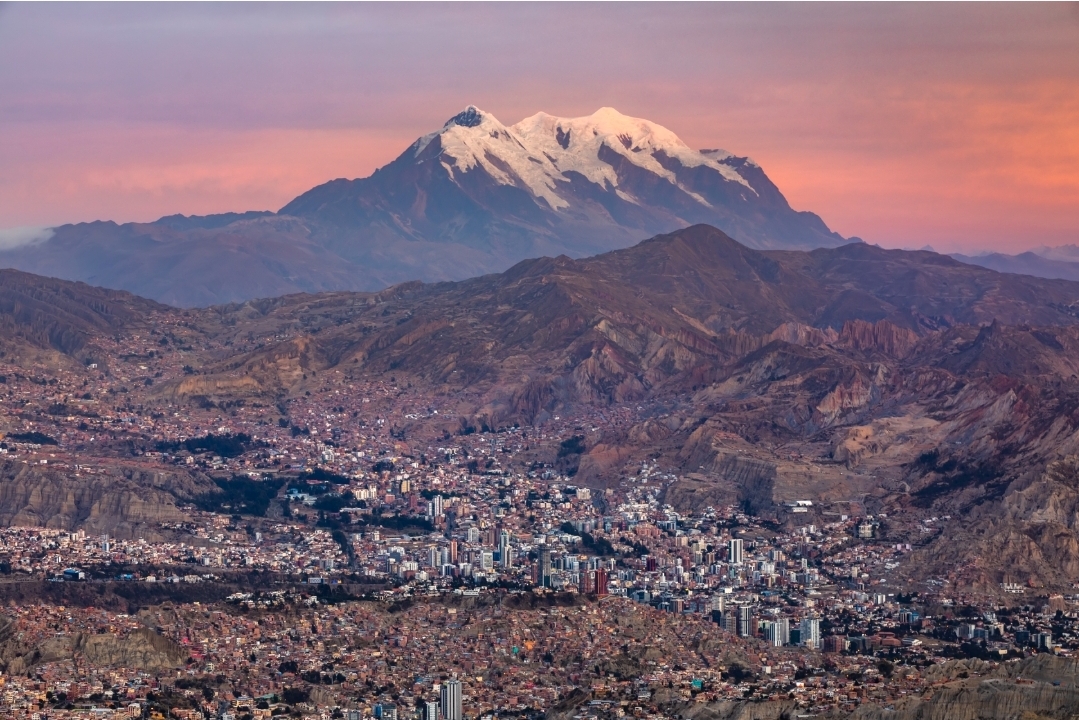
La Paz sits at around 3,650 metres above sea level, and the altitude can make itself known in surprisingly ordinary moments: walking up a staircase, carrying your bag to the hotel or chatting as you climb a street. The air pressure is lower here, so your body receives less oxygen with each breath and begins adjusting by making you breathe faster.
You might simply find yourself stopping to admire the view more often, or you might feel tired, develop a headache, lose your appetite or sleep less comfortably on the first night. These feelings can appear a few hours after arrival, even if you felt perfectly fine when you landed.
What surprises many travelers is how much it can change from moment to moment. You may feel completely fine sitting in a café, then find yourself out of breath halfway up a short hill. Or you might wake up feeling a little heavy and tired, then feel much more like yourself after breakfast and a gentle walk.
La Paz also climbs and dips across the valley, so even moving between neighbourhoods can feel different. Over the next few days, many visitors notice that the stairs get easier and their walks grow longer. It can feel a bit strange at first, but it’s also fascinating to notice your body finding its way in a place so unlike home.
Two people can arrive on the same flight and have completely different first days, so there’s no need to compare how you feel with the person beside you. Feeling out of breath on a hill or needing an extra pause doesn’t tell you how the rest of your trip will go. Give yourself room to find your own rhythm in the city.
How to Plan Your First Two Days
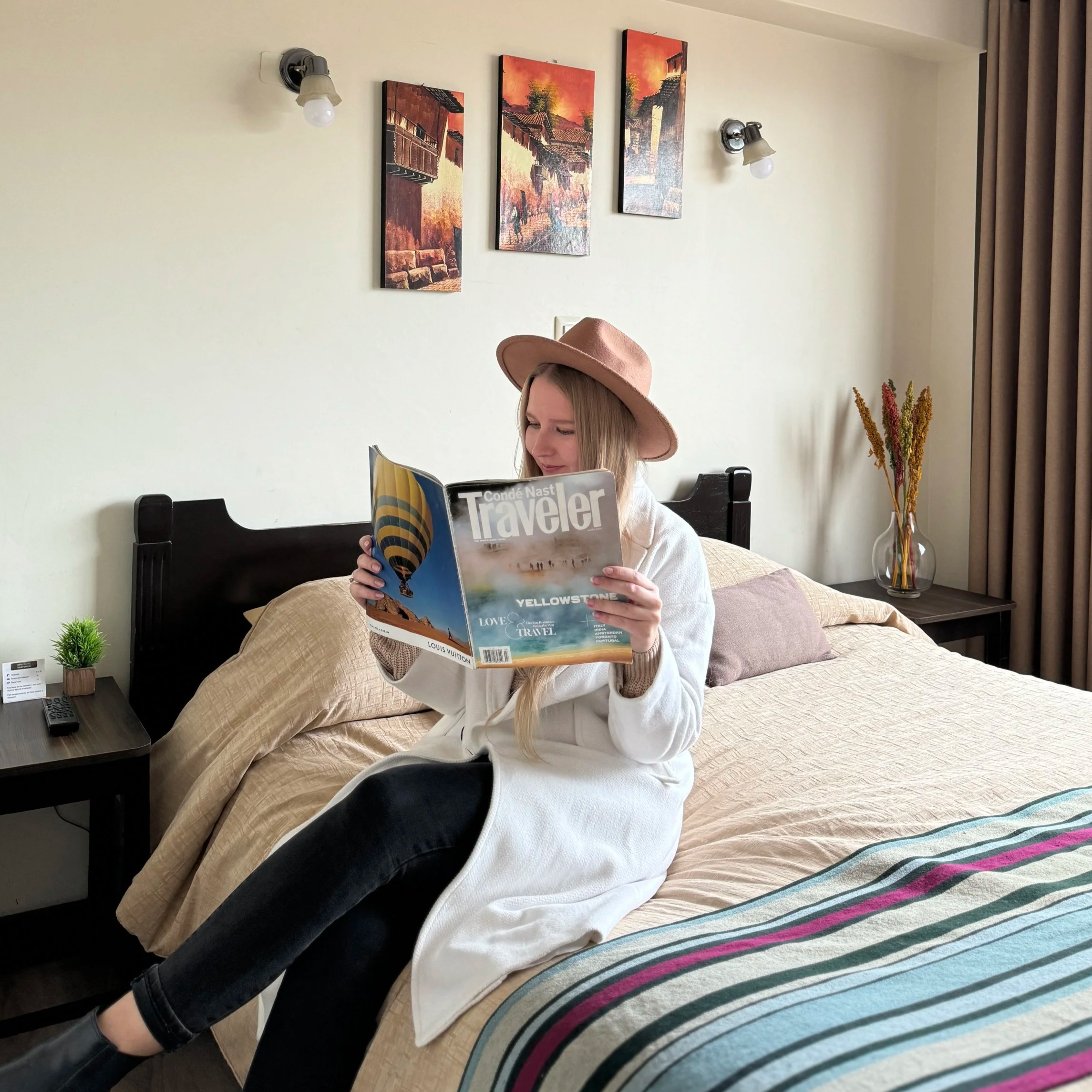
Please don’t think you need to hide in your hotel room when you arrive in La Paz. Go out, have a coffee, look around and start getting to know the city. Just don’t make a plan so full that you have to follow it even if your body is asking for a slower day.
Day One: Keep It Simple
Settle in, eat something light and explore the streets around your hotel. If you arrive with lots of energy, lovely, but save the big hills and packed sightseeing schedule for later.
Day Two: Follow How You Feel
If you feel good, go a little further. Pick one thing you’re excited about and leave room for whatever catches your eye along the way. If you’re still tired, a café and a short wander count as a good day in La Paz too.
On Both Days
Drink water, eat regularly and take breaks. Leave the big workout and celebratory drinks for another day. Your body is already doing some work getting used to the altitude, and current travel-health guidance recommends avoiding alcohol and heavy exercise during the first 48 hours at high altitude.
What If You Still Don’t Feel Fine?
First, change the plan and rest instead of pushing through another activity. A cup of coca tea is a comforting La Paz tradition, but it is not a proven treatment for altitude sickness. If you brought medication from home after speaking with your doctor, follow their advice. You can also speak with a pharmacist in La Paz, but check the ingredients in local products such as Sorojchi pills rather than assuming they are right for you.
Do not climb higher while symptoms are getting worse. Seek medical help immediately if you become breathless while resting, feel confused, lose coordination, develop a cough with chest tightness, or have a severe headache that does not improve. These can be signs of a serious altitude illness, and moving to a lower altitude may be urgent.
This article shares general travel information, not personal medical advice. If you have heart or lung problems, are pregnant, or have concerns about medication, speak with a doctor familiar with high-altitude travel before your trip.
Keep Exploring La Paz With Us
If you’re arriving from sea level, give La Paz an extra day or two if you can. There’s plenty to enjoy while you adjust, and you don’t have to spend that time sitting in your hotel.
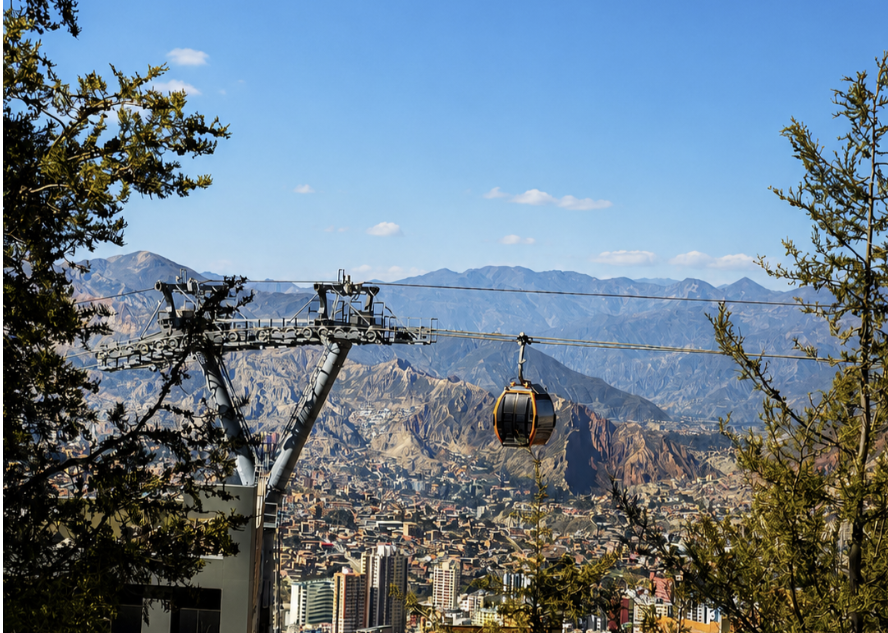
One of the easiest ways to see more without turning every stop into an uphill climb is to start with the cable cars and follow the streets downhill through the markets.
Read Your First Day in La Paz: What to Do After You Arrive for a gentle route through the city, or explore our Bolivia e-book and self-guided itineraries for more local knowledge.
And if La Paz is on your travel plans, subscribe to our weekly newsletter. I share what’s happening in the city, places I think you’ll love and little tips to help you feel at home here.
See You Soon
Elin Olofsson